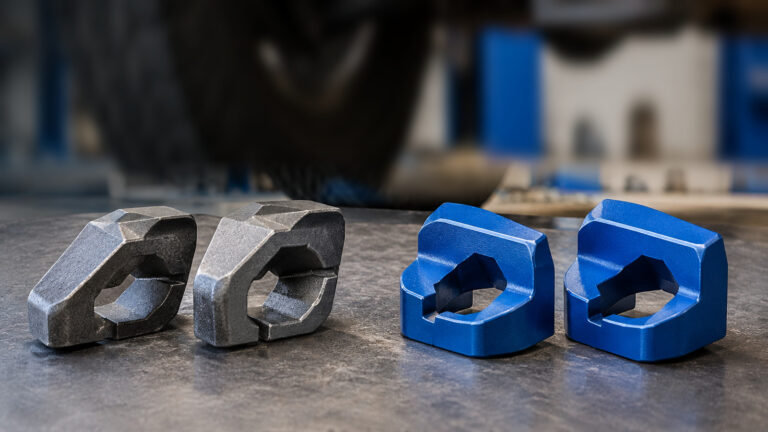
Toyota Tacoma Lift Kit: Heights, Types & Fitment by Generation
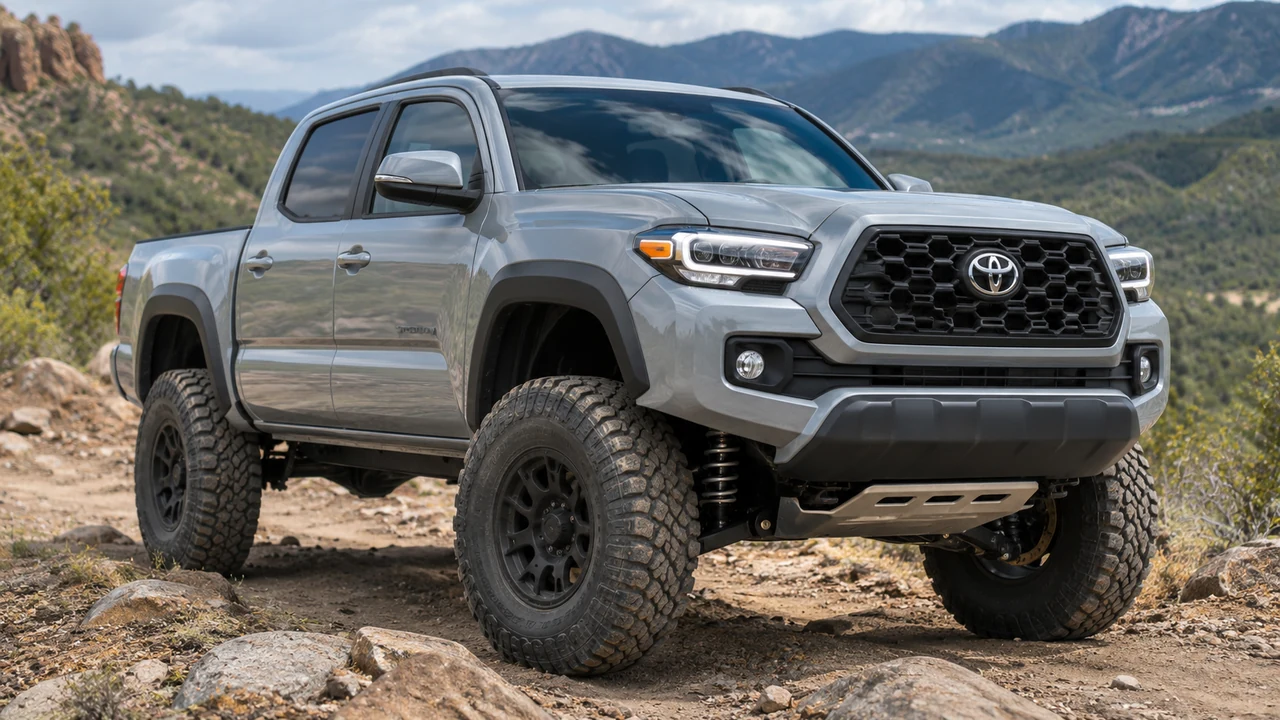
The right Toyota Tacoma lift kit depends on more than the lift height printed on the box. For a mostly stock daily driver, a well-matched 1.5–2.5-inch front lift is often enough to improve the stance without turning the front suspension into a geometry project. A properly engineered 2–3-inch system makes more sense when the truck sees regular trails or carries extra gear. At 4–6 inches, you are shopping for a more extensive suspension conversion, not just taller struts.
There is one detail to settle before looking at brands: which Tacoma do you own? A 2016–2023 kit is not a shortcut for a 2024 redesign. Even among 2024-and-newer trucks, some have rear leaf springs and others have rear coils. That difference alone can make an otherwise convincing product listing the wrong purchase. Start with the decision table, then confirm the chassis, suspension and equipment before ordering.
Which Toyota Tacoma Lift Kit Makes Sense for Your Build?
Most buyers are choosing between four kinds of projects. These are useful starting points for US-market Tacomas, not promises about tire clearance or the exact ride height a particular spring will produce.
| Main goal | Good starting point | The check that matters most |
|---|---|---|
| Reduce factory nose-down rake; keep a road-friendly truck | About 1–2 inches at the front | Original spring condition, front alignment and loaded stance |
| Daily driving plus camping trails; 31–33-inch-class tires | Matched 1.5–2.5-inch front setup, rear matched to load | Actual tire fitment, rear spring type and shock travel |
| Frequent off-road use, added armor or larger tires | Complete 2–3-inch suspension package | UCA/caster correction, CV angles, bump stops, rear load support |
| Tall stance or a build around very large tires | Purpose-built 4–6-inch suspension system | Dropped crossmembers, steering, driveline, wheels and total cost |
For a truck that still has to commute, the better answer is usually the least complicated setup that accomplishes the job. A height increase is not the same thing as added wheel travel, and a coilover upgrade does not automatically make a wider tire clear the cab mount. Those are separate questions with different fixes.
Tacoma Lift Kit Fitment by Generation
Toyota has built four Tacoma generations for the US market. Model years are the first filter, but drivetrain, wheel configuration and rear suspension can divide a generation into very different lift-kit applications.
| Tacoma generation | US model years | Basic suspension picture | Easy fitment mistake |
|---|---|---|---|
| First generation | 1995–2004 | Independent front suspension; rear leaf springs | Assuming 2WD 5-lug and 4WD/PreRunner hardware match |
| Second generation | 2005–2015 | Independent front suspension; rear leaf springs | Ignoring the 5-lug base 2WD versus 6-lug truck distinction |
| Third generation | 2016–2023 | Independent front suspension; rear leaf springs | Treating every TRD trim or engine load as the same baseline |
| Fourth generation | 2024 onward | Independent front; leaf-spring or multi-link coil rear, depending on version | Buying a rear-coil lift for a leaf-spring Tacoma |
1995–2004: Older Tacoma Lift Kits Need Closer Identification
The first-generation truck is not simply a smaller version of a later Tacoma. Age adds another variable: original bushings, ball joints, mounts and steering parts may be worn long before you consider larger tires. A lift should not be used to disguise that wear. Have the underlying suspension checked before trying to achieve an advertised height.
Pay special attention to the front suspension configuration and whether the truck is a standard 2WD, PreRunner or 4WD model. A catalog that groups all 1995–2004 Tacomas together without specifying the application deserves a second look. Rear leaf packs, shock mounting and wheel requirements need to match the truck in front of you, not just the year range.
2005–2015: The 5-Lug Versus 6-Lug Tacoma Trap
Second-generation lift searches frequently return products marked “2WD/4WD,” but that label does not always cover every front-end layout. Many base 2WD Tacomas use five-lug wheels and a different suspension arrangement from the six-lug 4WD and PreRunner trucks. If a listing says “6-lug only,” take it literally—even when the model year matches.
This is also a popular generation for adjustable front struts paired with rear add-a-leafs, replacement spring packs or modest rear blocks. Which rear solution is appropriate depends on the load you carry and the condition of the factory pack. A truck with a permanent bed rack, drawers and recovery gear may need a different spring choice than an otherwise identical empty-bed commuter.
2016–2023: Third-Generation Tacoma, but Not One Universal Kit
For the third generation, 2–3-inch front lift options are common, including adjustable struts, full coilovers and spacer-based packages. Check the year and trim, 2WD versus 4WD, and the specific front spring or shock configuration. An SR5 and a TRD Pro can start at different ride heights, so the same nominal kit does not necessarily create the same visible change.
Toyota also offered a genuine TRD lift kit for certain late third-generation V6 4WD Tacomas. That package was marketed around an approximately 2-inch front and 1-inch rear increase, but its approved application list had exclusions. It should not be confused with Toyota accessory lift offerings for the redesigned fourth-generation truck, or treated as a universal third-gen part.
2024 and Newer: Check for Rear Leaf Springs or Rear Coils
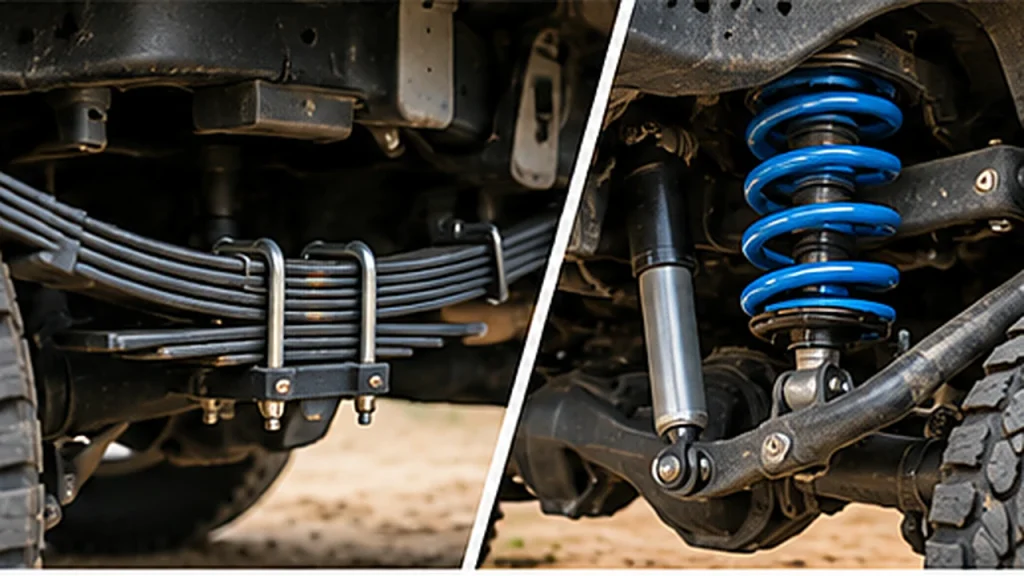
The fourth-generation Tacoma changed the rear suspension story. Certain versions, including SR and some XtraCab/PreRunner configurations, use rear leaf springs. Many Double Cab grades use a multi-link rear suspension with coil springs. The body badge is not enough to identify every combination, particularly when you are comparing an SR5 XtraCab with an SR5 Double Cab.
That means a 2024+ kit containing rear coil spacers cannot be assumed to fit a Tacoma that actually has leaf springs. The front hardware must also suit the newer platform; a 2016–2023 coilover kit does not become compatible merely because the advertised lift is also three inches. Use the VIN-based build information or inspect the rear suspension before buying. Toyota documents these distinctions in its 2024 Tacoma model overview.
TRD Pro, Trailhunter, i-FORCE MAX, AVS and Sway-Bar Disconnect
The more factory equipment a Tacoma has, the less useful a broad “fits 2024+” claim becomes. TRD Pro and Trailhunter trucks have their own factory suspension setups. The i-FORCE MAX hybrid adds different vehicle loading and packaging. Limited models may have Adaptive Variable Suspension (AVS), while some off-road configurations use a front stabilizer-bar disconnect system. Manufacturers may exclude these features individually even when the rest of a trim appears on their fitment list.
For example, a lift designed for a fourth-generation truck with rear coils may explicitly exclude TRD Pro, Trailhunter, AVS and leaf-spring models. “Not tested with the electronic sway-bar disconnect” is also not the same thing as approved compatibility. If those options are on your truck, ask for a written application confirmation tied to the exact kit part number. Do not unplug or defeat factory safety-related equipment to make a generic kit fit.
Is a 2-Inch, 3-Inch, 4-Inch or 6-Inch Tacoma Lift Better?
The right height depends on the end goal and the lift technology. Tacoma front suspensions are independent, so raising the front ride height changes where the control arms and CV joints operate within their travel. Once you know the target tire and the weight of the truck, the height decision gets much easier.
1–2 Inches: A Mild Lift for Street and Light Trail Use
A small front increase can reduce factory rake or open a little more space around the tire at normal ride height. If the original springs and dampers are healthy, an application-approved leveling spacer may be all a lightly used truck needs. An upgraded strut or coilover is a different purchase: it can change damping and sometimes spring support in addition to height.
Make the decision with the vehicle loaded as it is normally driven. A front winch and steel bumper can consume some of the height a kit is supposed to add, while removing heavy accessories can change the outcome in the opposite direction. For the broader pros and cons of those two goals, see our leveling kit vs. lift kit comparison; this guide stays with Tacoma-specific selection.
2–3 Inches: The Common All-Around Build Range
This is a practical range for an owner who wants a more capable truck without committing to a large drop-bracket conversion. A good kit will explain its front spring and shock strategy, give a sensible rear suspension solution, and spell out whether aftermarket upper control arms are required or recommended at the chosen setting.
A nominal three-inch front setting is not automatically a three-inch increase in useful suspension travel. Depending on the design, it may leave less droop available before a joint, top-out limit or other component becomes the constraint. If you regularly drive washboard roads or technical trails, paying for properly matched suspension components can matter more than buying the tallest advertised option.
3.5–4 Inches: Read the Installation Drawings First
At this point, product descriptions can conceal very different engineering approaches. One lift may use revised knuckles, subframe or crossmember components; another may be an aggressive strut setup with a long list of restrictions. Neither should be assessed by height alone. Look at the required front-end changes, alignment specification, wheel compatibility and available travel.
For a Tacoma that tows or spends hours on highways, steering feel and stability deserve just as much attention as tire clearance. The completed lift should be aligned to the manufacturer’s specification for that setup, with clearance checked at steering lock and full suspension movement—not simply photographed outside the installer’s shop.
6-Inch Lift Kits: A More Involved Suspension Conversion
A six-inch Tacoma lift generally involves substantial bracket and crossmember changes to relocate front suspension and differential components. It can achieve a dramatic stance and support a larger-tire build, but it also affects the center of gravity, entry and exit clearance around new brackets, driveline checks and overall operating costs. A tall lift is not a substitute for planning the rest of the truck.
Before buying, read the manufacturer’s wheel and tire notes, whether cutting or welding is required, and how the original drivetrain and steering components are managed. This is rarely the least expensive path to a sensible 33-inch tire setup. If the goal is simply a less nose-down appearance, a six-inch package is solving the wrong problem.
Why a “3-Inch Lift” Can Measure Differently at Each End
Many Tacoma kits advertise the front height and include a smaller rear increase to preserve some rake. A “3-inch kit” might describe the front result only, while the rear receives less height. Conversely, a truck carrying a heavy service canopy may sit lower than the maker’s reference vehicle after installation.
Before and after the work, measure from the center of each wheel hub straight up to the same fender reference on level ground. Record all four corners with comparable fuel and cargo loads. Measuring ground-to-fender after changing tire sizes mixes suspension lift with tire-radius change, which is how impressive-looking numbers often become misleading.
Tire Clearance: 33s and 35s Depend on More Than Lift Height
Tacoma tire-fitment advice is full of apparently contradictory reports. Two owners can both claim a three-inch lift, yet one rubs during a sharp turn and the other does not. Often their wheels, tire casings, trim pieces and actual suspension travel are different. Start with the real tire dimensions and the wheel position, then use the kit maker’s test-fit specifications.
33-Inch-Class Tires: A Sensible Target, Not a Fitment Guarantee
A 285/70R17 is often discussed as a roughly 33-inch-class tire, but tire brands differ in measured diameter and section width. A third-generation truck may need a careful wheel choice and some clearance work even with a moderate lift. A newer Tacoma may start with more factory tire room in particular trims. Neither fact means every 33 will clear every wheel well without rubbing.
Check compression with the wheel turned, not just the parked stance. The front bumper edge, mud flap, cab-side liner and control-arm area can become contact points. A lift can create more static clearance without removing an interference caused by where the tire sits relative to the body.
35-Inch Tires: Plan for Clearance Work, Not Just Taller Springs
On many Tacoma builds, 35-inch tires bring a different level of modification. Some fourth-generation combinations can accommodate larger tires with a carefully specified kit and limited trimming, while others need considerably more work. A manufacturer’s approved example applies only to its stated wheel width, offset, tire size and vehicle configuration. Treat it as a test case, not a rule for all Tacomas.
A larger tire also changes effective gearing, acceleration feel, rotating mass and braking demands. The important question is whether the tire clears at full steering lock and controlled compression, with enough margin for debris and tire deflection. For the tire-side calculations and general clearance principles, our 35-inch tire lift guide covers the wider topic; here the focus remains the Tacoma kit itself.
Wheel Offset, Backspacing, Cab Mount and Crash-Bar Clearance
Wheel offset can solve one interference and create another. Pushing the tire outward may provide more space around an upper control arm while making it contact the fender or bumper sooner at the edge of steering travel. Extremely aggressive offset also changes scrub radius and loads on steering components. That is why a generic “fits 35s” sticker is not a complete tire recommendation.
On older Tacomas, owners may encounter discussion of a cab-mount chop or liner changes. On the newer platform, there may be front bumper, crash-structure or other trim interference to evaluate. Any cutting near structural, safety or sensor components needs professional judgment; do not treat online trimming anecdotes as universal instructions. A test fit is worth more than an impressive side-profile photo.
What Should a Complete Toyota Tacoma Lift Kit Include?
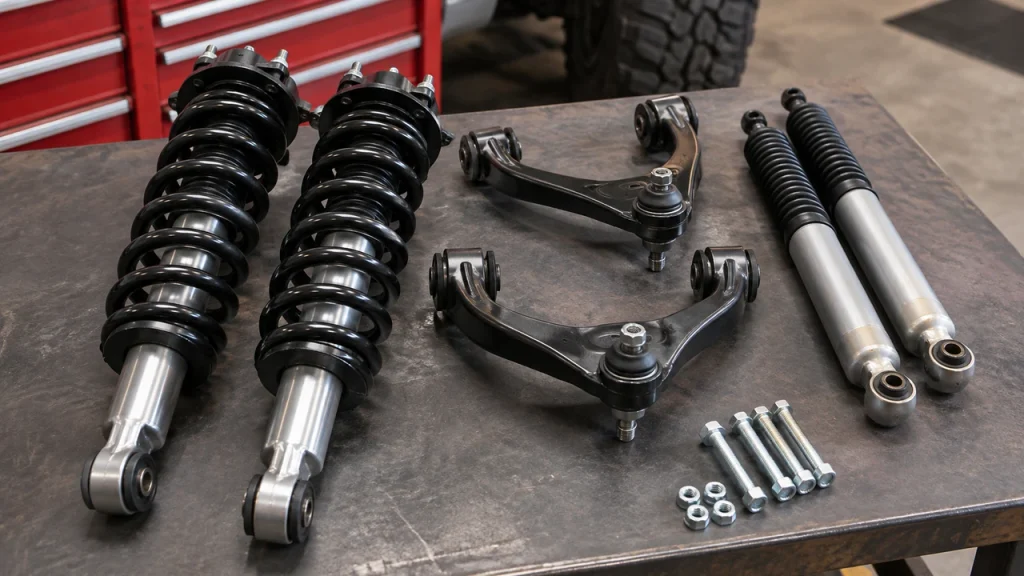
Two kits with the same height can contain very different hardware. One is essentially a front spacer and a set of rear blocks; another replaces the front spring-and-damper assemblies and includes geometry correction. Compare the kit contents with what the manufacturer requires for your exact vehicle and intended lift setting.
Use this checklist when reading a product description. Not every build needs every item, but the seller should explain how any necessary function is handled.
- Front height system: application-specific strut spacers, adjustable struts or complete coilovers, with suitable spring rates and mounting hardware.
- Rear lift method: leaf-pack components, approved blocks or a coil-spring solution appropriate to the truck’s actual rear suspension.
- Matched damping: front and rear shocks or struts with compressed and extended lengths suited to the intended travel.
- Upper control-arm plan: clearance, ball-joint operating angle and the caster range expected at the final front ride height.
- 4WD CV-joint considerations: stated front axle geometry requirements and any manufacturer-specified differential correction.
- End-of-travel protection: bump stops and any limit, hose or routing provisions needed at full bump and droop.
- Vehicle-specific exclusions: trim, engine, rear spring type, 2WD/4WD, AVS, TRD Pro, Trailhunter and sway-bar disconnect notes.
- Installation requirements: hardware, torque information, instructions, tire/wheel limitations and alignment or calibration steps.
If a lower-priced kit leaves out parts that its own instructions say are required, it is not cheaper in the way that matters. Add those components and the extra installation work before comparing totals. A one-box suspension system can still have exclusions, so “complete” is useful marketing language only when the instructions support it.
Spacers, Coilovers and Rear Suspension: What Changes?
A Tacoma lift is usually a combination of front and rear decisions rather than one uniform suspension change. The front independent suspension uses a spring-and-damper arrangement; the rear hardware depends on generation and configuration. Buying the wrong rear components is particularly easy on fourth-generation trucks.
Front Spacer or Adjustable Strut: Know What You Are Reusing
A spacer-based front kit often reuses the factory strut and spring, changing the installed ride-height position. Some adjustable replacement struts provide several spring-seat positions with different advertised heights. Neither approach guarantees extra off-road wheel travel, and both need to be checked against the original condition of the strut, control arms and joints.
A truck that already has tired dampers is unlikely to feel transformed merely because its nose sits higher. Conversely, a sensible spacer can be enough if the original suspension is in good condition and the goal is modest. The right answer is tied to the driving use and condition, not to whether a product includes the word “premium.”
Full Coilovers: More Control Is Not the Same as Maximum Height
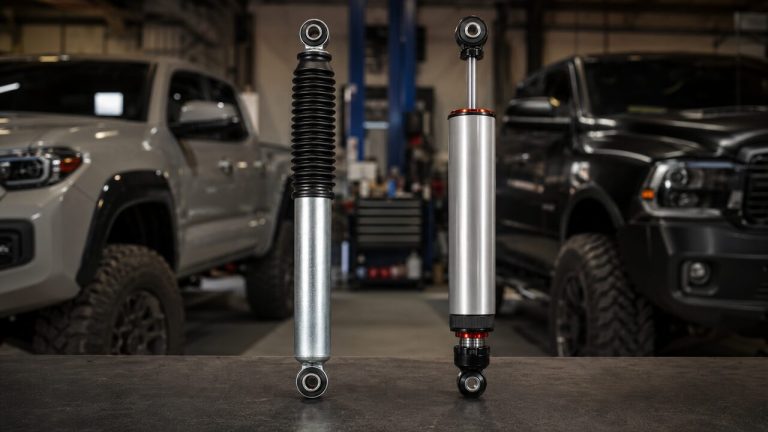
A well-chosen coilover system can offer different damping characteristics, load-support options and, on some designs, height adjustment. Monotube, larger-body and reservoir-equipped shocks have different strengths, but a reservoir by itself is not proof that the truck rides better on pavement or gains more suspension travel. A heavy overland setup and a nearly empty commuter may need different spring rates and valving.
Be especially careful with preload-based height changes. Increasing the front setting can reduce available droop or move a joint closer to its operating limit, depending on the design. Follow the maker’s height and alignment range rather than treating the adjustable perch as permission to go beyond the kit’s intended lift.
Rear Leaf Springs: Add-a-Leaf, Replacement Pack or Block?
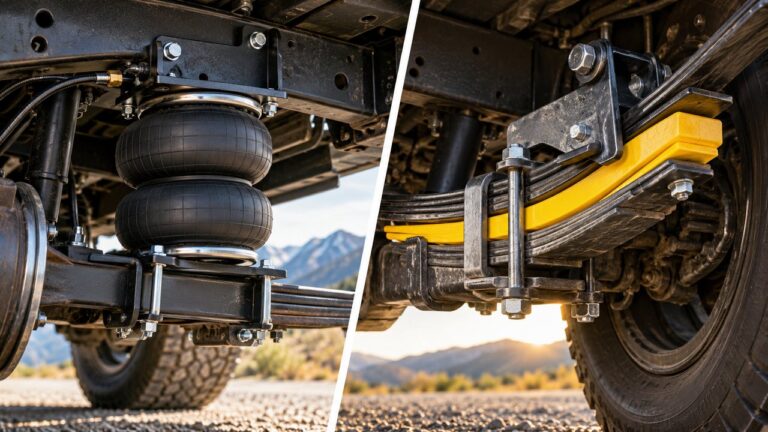
For leaf-spring Tacomas, small rear increases may use a compatible block or add-a-leaf, while replacement leaf packs can be designed for a particular constant load. Those choices do not ride the same. A spring pack built for a loaded camping truck can feel unnecessarily firm when the bed is empty; a soft pack may sag under a steel canopy and tools.
Rear blocks mainly change static ride height; they do not create additional carrying capacity. They also require correctly sized hardware and installation checks. Our rear lift block guide explains that component separately, rather than turning this Tacoma guide into a general block-sizing article.
Rear Coils: Fourth-Generation Parts Must Match the Variant
On a fourth-generation truck with rear coils and a multi-link axle location system, the choices include properly specified springs, coil spacers and compatible shocks. Leaf-spring blocks have no place in this configuration. The rear spring position and linkage geometry also mean that a product designed for a leaf-spring SR is not interchangeable with a rear-coil Double Cab kit.
Look for the manufacturer’s stated installed height and shock requirements. If a product offers a 2-inch rear coil spacer but uses original shocks, check the instructions for extension hardware and the resulting operating range. The name of the kit tells you less than its parts list and installation notes.
Geometry and Clearance Checks That Protect a Lifted Tacoma
This is where Tacoma-specific engineering matters more than a generic “lift kits explained” article. A truck can be aligned well enough to drive straight but still have an arm, CV joint or shock that reaches its limit too early when the wheel drops into a rut. The following issues should be answered in the kit instructions or by the installer.
Upper Control Arms and Caster Alignment
Upper control arms, often shortened to UCAs, are a common topic around 2–3-inch front lifts. Their value is not simply that they are aftermarket parts. Depending on the truck and kit, a revised arm can provide improved ball-joint clearance or a usable alignment range, including positive caster. This helps address the wandering or light steering feel that some drivers notice after a height change.
Not every two-inch lift automatically needs a replacement arm, and not every stock arm can safely support the top setting of an adjustable strut. Follow the manufacturer’s own threshold and have the final alignment measured. A vague recommendation to “add UCAs later if it feels weird” is less useful than a kit with documented geometry at the chosen height.
CV Axle Angles and Differential Drop Kits
Four-wheel-drive Tacomas use front CV axles. Raising the front suspension changes the normal operating angle of those joints and their boots. Some kits include a differential drop or specify one at certain heights; others are engineered without it. A differential drop may reduce some angle changes but can have packaging and clearance trade-offs, so it is not an automatic cure.
If your installer proposes this component, ask what exact problem it is intended to address on your truck and whether the suspension maker requires it. Our differential drop kit guide covers the underlying trade-offs in more detail. For 2WD vehicles, there is no front driven CV axle arrangement to correct in the same way.
Bump Stops, Droop, Brake Hoses and Stabilizer Clearance
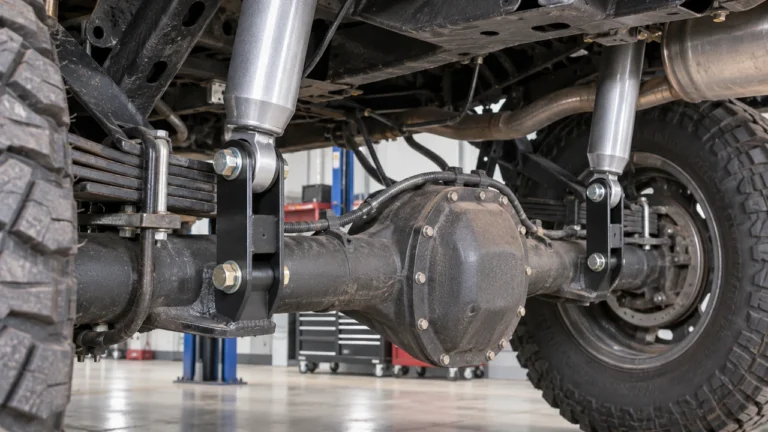
Longer shocks are not automatically safer or more capable. If the shock compresses to its mechanical limit before the proper bump stop engages, it can be damaged. At full droop, brake hoses, wheel-speed sensor wiring, CV joints and suspension links still have to stay within their permitted range. A workshop should check the whole assembly under controlled movement, not just at parked ride height.
The fourth-generation factory sway-bar disconnect adds another fitment question: some accessory makers explicitly say their kits have not been validated with that option. Treat an unconfirmed application as unconfirmed, even when the photos show the same trim. Rubbing or unexpected mechanical interference after installation is a reason to stop and diagnose, not to remove a safety-related component casually.
Toyota Safety Sense, Headlights and Post-Lift Checks
Changes to ride height and vehicle pitch can affect how certain cameras, sensors and headlights are aimed. On trucks equipped with Toyota Safety Sense or other driver-assistance equipment, check the model-specific service requirements for inspection or calibration after suspension work. Toyota’s earlier dealer-installed TRD kits illustrate why approved compatibility mattered; an aftermarket kit is not automatically validated for every sensor configuration.
The installation quote should also include a final alignment, torque checks under the specified loading condition, and reinspection after initial driving where the manufacturer requires it. A truck that looks level but has poor caster or a damaged CV boot is not a completed lift.
How to Compare Tacoma Lift Kit Brands and Product Listings
Rough Country, Bilstein, ICON Vehicle Dynamics, Old Man Emu/ARB, Eibach, FOX and ReadyLIFT all appear in Tacoma lift shopping. They do not sell one interchangeable suspension design. It is more useful to compare the individual system and its fitment notes than to declare one manufacturer the best for every generation and driving style.
Compare the Actual System, Not Just a Brand Reputation
Look at the included shocks by model, spring load assumptions, front UCA or geometry corrections, rear suspension hardware and recommended wheel specification. A budget spacer setup and a complete heavy-load coilover package are answering different needs. The largest price gap may be between those categories, not between two brand logos.
For buyers comparing suspension approaches across multiple vehicles, our off-road suspension kit guide covers the broader selection. Here, the Tacoma’s generation and its exact parts list are the deciding factors.
A Real Fitment Example: The Same 2024+ Year Does Not Mean the Same Kit
ReadyLIFT’s 69-54300 is a useful example of why the application notes deserve more attention than the headline. It is a fourth-generation 3-inch SST system described for 2024–2026 Tacomas with factory rear coil springs, and its published fitment excludes leaf-spring trucks, TRD Pro, Trailhunter and AVS-equipped models. Its manufacturer also does not confirm compatibility with the optional sway-bar disconnect.
The lesson is not that this part number is the best kit. It is that a well-documented lift makes the buyer check the rear suspension and optional equipment before purchasing. Apply that same standard to every brand, especially when a retailer shows a broader fit range than the part maker’s own instructions.
Toyota Tacoma Lift Kit Cost: Budget for the Whole Install
The sticker price covers only what arrives in the box. In the US, a basic spacer or leveling package can cost roughly $100–$400 in parts, while matched strut, shock and spring combinations often move into the high hundreds or several thousand dollars. Larger engineered 4–6-inch suspension systems can cost substantially more before wheels, tires or labor. These are broad planning ranges, not live quotes or prices for a particular trim.
Where a Cheap Kit Can Become an Expensive One
Consider a three-inch kit that looks inexpensive until the installer adds UCAs, rear spring support, shock extensions or a differential correction required by that setup. The part total can change considerably, and the labor estimate changes with it. On an older truck, seized fasteners or worn ball joints add work that has nothing to do with the advertised lift height.
Remember the tires, wheel fitment, alignment and possible calibration costs. A shop should tell you whether its quote includes checking full-bump and droop clearances, not just installing hardware and setting the steering wheel straight.
Shop Labor, Alignment and the Cost of Doing It Twice
A modest bolt-on front-and-rear lift may be within the scope of a capable shop’s normal suspension work. A tall crossmember or knuckle system can require considerably more labor, equipment and verification. If welding, cutting or driver-assistance calibration is involved, choose a shop experienced with the exact platform rather than the lowest flat-rate estimate.
For a fuller discussion of installation and labor costs, use our lift kit installation cost guide. The Tacoma-specific takeaway is to choose the parts that address the intended height and geometry at the start; paying twice for alignment and replacement hardware is rarely a bargain.
Six Checks to Make Before Ordering a Tacoma Lift Kit
Once you have narrowed the height and type, these checks will catch most expensive catalog mistakes. Save the information with your order so the installer can compare it against the parts that arrive.
- Identify the truck: record VIN, generation, model year, trim, cab, engine, 2WD/4WD and, on older trucks, five- or six-lug/front-end configuration.
- Verify the rear: leaf springs versus multi-link rear coils on 2024+ trucks, plus the condition and existing load on older leaf packs.
- List factory equipment: TRD Pro, Trailhunter, i-FORCE MAX, AVS, stabilizer disconnect, factory lift and driver-assistance features that can affect fitment.
- Set a tire and wheel target: include actual tire diameter and width, wheel width, offset/backspacing and the maker’s test-fit notes.
- Read the complete instruction sheet: look for UCA, CV, shock, brake-hose, bump-stop, cutting, alignment and calibration requirements.
- Get an all-in quote: suspension parts, extra hardware, tires/wheels, labor, alignment and follow-up inspection—then compare setups on that basis.
If the retailer’s compatibility chart and the manufacturer’s installation instructions disagree, stop and resolve the difference before buying. A product appearing in a search result for “Toyota Tacoma lift kit” is not evidence it fits your Tacoma.
Toyota Tacoma Lift Kit FAQ
A few questions still come up after the generation and lift height are sorted out. These answers cover common buying decisions without assuming that every Tacoma starts with the same clearance or factory suspension.
What Is the Best Lift Height for a Daily-Driven Tacoma?
For many mostly stock daily drivers, a carefully selected 1.5–2.5-inch front setup is a reasonable starting range. The best choice depends on the truck’s existing stance, added weight, desired tire size and suspension design. Raising it more simply for appearance can create avoidable alignment and joint-angle problems.
Can a 3-Inch Lift Fit 33-Inch Tires on a Tacoma?
Often, but not automatically. A third-generation Tacoma on a certain wheel and tire combination can still rub around the cab-side opening or other body areas. Fourth-generation trims have different starting clearances. Confirm the exact tire dimensions and the kit maker’s wheel recommendations, and check full steering and compression clearance.
Will a 2016–2023 Tacoma Lift Kit Fit a 2024 Tacoma?
Do not assume it will. The fourth-generation truck uses a redesigned platform, with different mounting and suspension details. Buy a kit specifically approved for the newer generation and its exact rear spring type, engine and optional equipment.
Do All 2024-and-Newer Tacomas Have Rear Coil Springs?
No. Some configurations still use leaf springs, while other fourth-generation versions have multi-link rear coil suspension. Even the same trim name can appear with different body configurations. Confirm it through the vehicle’s build information or a physical inspection before selecting rear lift hardware.
Do I Need Upper Control Arms for a 2-Inch Tacoma Lift?
Not in every application. The answer depends on the specific lift, the resulting control-arm position and whether the truck can achieve the required caster and operating clearance. A manufacturer may approve the original arms for one setting and recommend replacements for a taller setting within the same product family.
Does Every Lifted 4WD Tacoma Need a Differential Drop?
No. Some front-lift systems specify a differential drop; others do not. It can be useful for a particular geometry problem but is not a substitute for checking CV travel, ground clearance, boots and all other suspension limits. Follow the actual kit requirements rather than applying a universal inch-based rule.
Will a Suspension Lift Raise the Rear Differential Off the Ground?
A suspension lift alone does not raise an axle-mounted differential housing by the full lift amount. Larger tires can raise the axle relative to the ground by increasing tire radius. The suspension lift mainly changes chassis height, available body clearance and the suspension’s operating position.
Can I Keep Towing After Installing a Tacoma Lift Kit?
A lift does not automatically increase payload or towing ratings. It may change the truck’s stance, hitch height, handling and how the rear springs manage the trailer’s tongue weight. Stay within the vehicle’s published ratings and have the suspension and hitch setup checked with the typical load. Added blocks are not added payload capacity.