Strut Replacement Cost: Parts, Labor & Alignment
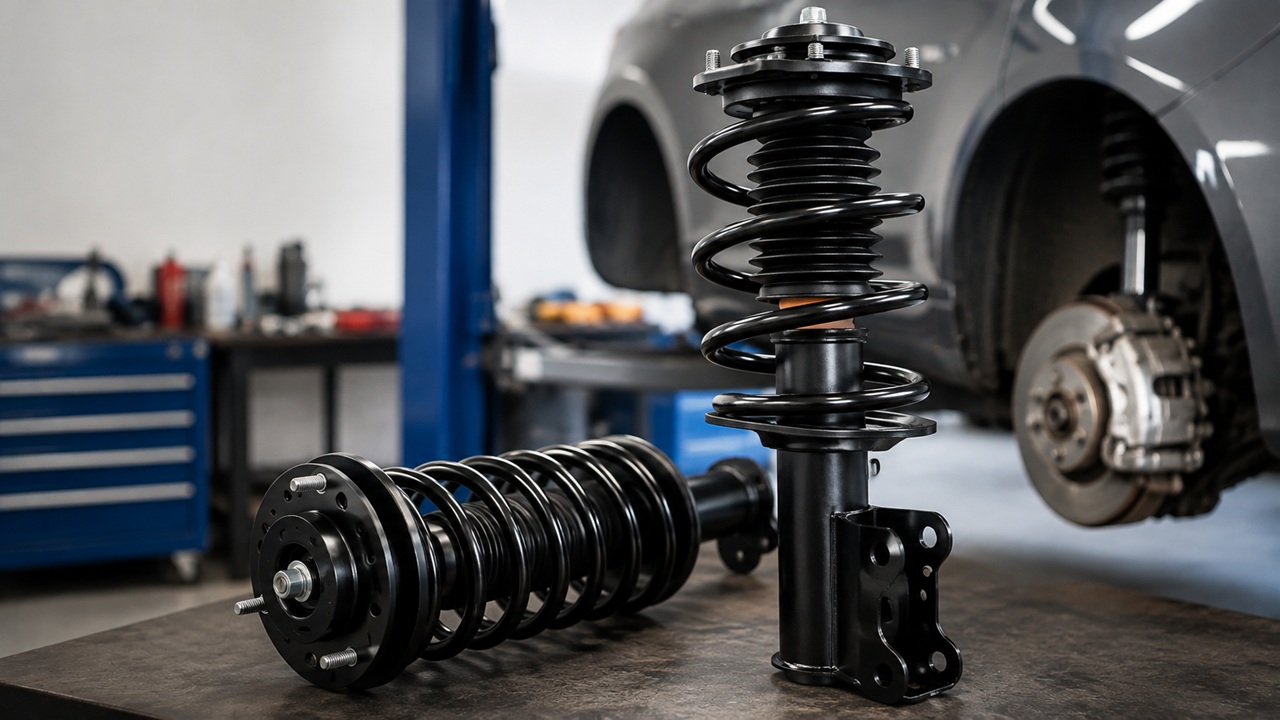
Strut replacement typically costs about $600 to $1,500 for a pair on a mainstream vehicle in the United States, although some cars can fall below that range and luxury, AWD, electronic, or difficult-to-service applications can cost considerably more. The biggest pricing differences come from the strut design, whether you are replacing one axle or multiple corners, whether a complete loaded assembly is used, labor time, and whether an alignment is needed afterward.
The most important thing when comparing quotes is to check the scope. A price listed “per strut” is not comparable with a shop estimate for two front struts, new mounts, labor, and alignment.
Strut Replacement Cost at a Glance
| Job | Useful 2026 U.S. Planning Range | What to Confirm |
|---|---|---|
| Single conventional strut | About $300–$800+ | One corner only; pairing may be recommended |
| Front struts, pair | About $600–$1,500+ | Parts, labor, mounts and alignment scope |
| Rear struts, pair | About $500–$1,300+ | Vehicle must actually use rear struts rather than shocks |
| All four struts | About $1,200–$3,000+ | Vehicle design and whether all four corners use struts |
| Wheel alignment | Often about $80–$200 | Need depends on vehicle design and repair procedure |
These are budgeting ranges, not fixed quotes. Current U.S. repair estimators show large differences between vehicles, even for what appears to be the same job. A mainstream sedan may be relatively straightforward, while a truck, luxury car, or electronically controlled suspension can require much more expensive parts and additional labor.
Why Strut Replacement Costs Vary So Much
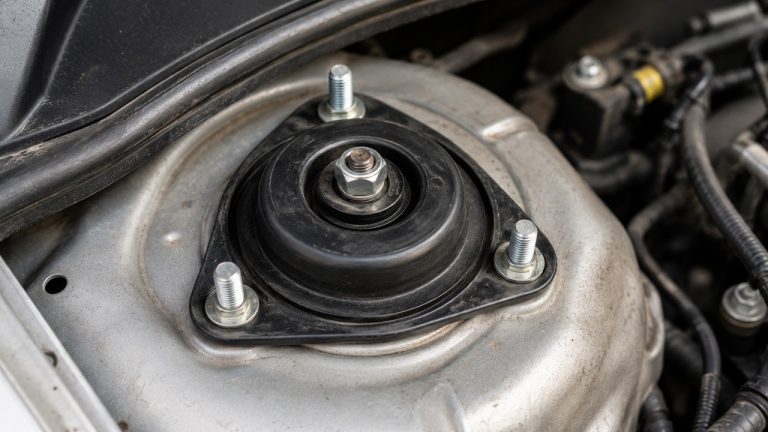
A strut is more than a simple shock absorber. In a strut-type suspension, the assembly is a structural part of the suspension and may also carry the coil spring, upper mount, bearing, bump stop, and related hardware.
That means two cars can use completely different replacement procedures. One may accept a preassembled unit that bolts into place relatively quickly. Another may require the technician to remove the original spring, compress it safely, transfer components to the new strut, inspect the mount and bearing, and then reassemble everything.
If you are not sure whether your vehicle uses separate shocks or structural struts, our shocks vs. struts explanation explains the difference. This page focuses specifically on strut replacement cost; for standalone shocks, see our shock absorber replacement cost guide.
Front Strut Replacement Cost
Front struts are one of the most common applications because many passenger cars and crossovers use a MacPherson-strut-style front suspension. A useful planning range for replacing a pair is approximately $600 to $1,500 or more at a repair shop, with some vehicles falling outside that range.
The front of the vehicle can be more labor-intensive because the strut may connect directly to the steering knuckle and because steering geometry may need to be checked after installation. Rusted lower bolts, worn upper mounts, difficult spring transfer, electronic damping connections, and limited access can all increase the bill.
When a shop quotes front struts, ask whether the price is for one strut or both front struts. That single detail explains many apparently conflicting prices online.
Rear Strut Replacement Cost
Not every vehicle has rear struts. Many cars, SUVs, and trucks use separate rear shocks and springs instead. If your vehicle does have rear strut assemblies, replacing a pair can commonly fall around $500 to $1,300 or more, depending on the design and parts used.
Do not assume that a price for “rear shocks” applies to rear struts. A separate shock absorber can be much simpler to replace than a structural strut assembly, and the parts and labor costs may be very different.
Parts vs. Labor
Strut replacement has two major cost components: the replacement parts and the time required to install them.
| Cost Factor | Why It Matters |
|---|---|
| Struts | Basic aftermarket, premium aftermarket and OEM parts can differ significantly in price |
| Labor | Varies with access, spring transfer, corrosion and suspension design |
| Upper mounts/bearings | May be reused, replaced separately or included in a loaded assembly |
| Spring | May be transferred from the old assembly or supplied with a complete unit |
| Hardware | Rusty, damaged or single-use fasteners can add cost |
| Alignment | May be recommended or required depending on vehicle design and specifications |
A cheap bare strut does not automatically produce the cheapest installed repair. If the technician must disassemble the old unit, transfer the spring and mount, and reassemble everything, the additional labor can reduce or eliminate the savings compared with a more expensive preassembled unit.
Bare Strut vs. Complete Loaded Strut
This distinction can have a major effect on the quote.
Bare strut
A bare strut generally replaces the damper portion while reusing compatible components from the original assembly. The technician may need to compress and transfer the coil spring, upper mount, bearing, boot, and related parts.
The part itself may cost less, but the job requires more assembly work and introduces the need to inspect the reused components carefully.
Complete or loaded strut
A loaded strut comes preassembled with additional components that may include the spring, mount, bearing, boot, and bump stop, depending on the product. It generally costs more as a part but can reduce installation time because the old coil spring does not need to be transferred.
Do not compare a quote using bare struts with one using complete assemblies without checking exactly what each part includes. The higher parts price may represent a substantially more complete repair.
Should Struts Be Replaced in Pairs?
Major shock and strut manufacturers recommend replacing struts in axle pairs rather than installing one new damper next to an equally old unit on the opposite side. The goal is to avoid a significant difference in damping behavior from left to right.
KYB recommends replacing shocks and struts in pairs, and Monroe publishes the same general recommendation.
That does not mean every estimate automatically needs four new struts. A pair normally means both units on the same axle: two fronts or two rears. Whether the other axle needs service should be based on its condition, vehicle design, and manufacturer guidance rather than an arbitrary all-four rule.
Do You Need an Alignment After Replacing Struts?
Often, but not universally. Strut removal can affect wheel alignment because the strut helps locate the wheel assembly, but the exact effect depends on vehicle design.
KYB specifically notes that some vehicles are affected by strut replacement while others are not, and recommends checking the vehicle’s service information and alignment specifications. Monroe recommends performing an alignment after strut replacement as a general service practice.
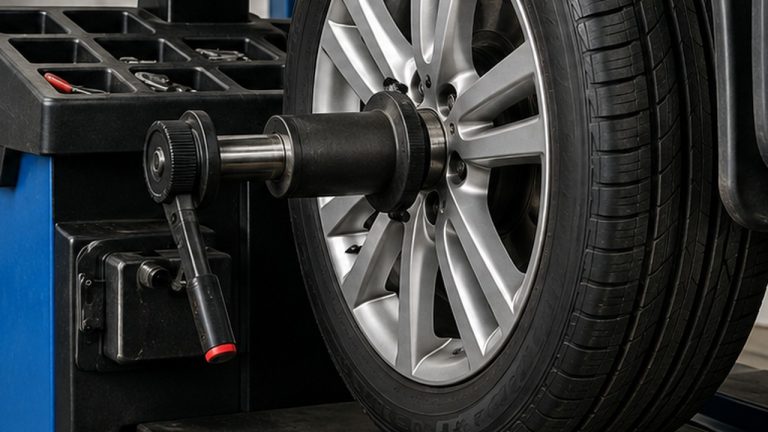
For that reason, do not simply assume an alignment is included—or unnecessary. Ask the shop whether the vehicle requires an alignment after the procedure and whether the quoted price already includes it. Our separate guide explains when alignment is needed after suspension repairs in more detail.
What Else May Need Replacement With the Struts?
A strut quote can become more expensive when related wear items are found during disassembly. That does not automatically mean the shop is adding unnecessary work.
- Upper strut mounts: worn rubber or mounting components can create noise and vibration.
- Strut bearings: on some front applications, the upper bearing allows the assembly to rotate with the steering.
- Boots and bump stops: these help protect the strut shaft and control extreme suspension travel.
- Coil springs: a cracked, badly corroded, sagging, or damaged spring should not simply be transferred to the new assembly.
- Mounting hardware: damaged, heavily corroded, or specified single-use hardware may need replacement.
KYB also advises inspecting and replacing strut mounts and boots when appropriate during strut service. If the strut itself is still serviceable but the upper mount or bearing has failed, see our strut mount replacement cost guide. The exact parts required still depend on the vehicle and the condition of the existing assembly.
Why One Car Costs $700 and Another Costs $2,000+
Vehicle-specific pricing varies dramatically. Current U.S. repair-estimator data illustrates the difference: mainstream cars can remain close to the $1,000 range for a shock-or-strut job, while some trucks and premium applications exceed $2,000.
The biggest causes include:
- OEM versus aftermarket parts pricing
- Conventional versus electronically controlled struts
- Front versus rear suspension design
- Whether the spring and mount are included
- AWD or performance suspension packaging
- Corrosion and seized hardware
- Dealer versus independent-shop labor rates
- Alignment and related repairs
This is why a national average should be used only as a planning number. A reliable estimate must be based on the exact year, make, model, trim, suspension option, and parts being installed.
Dealer vs. Independent Shop
An independent repair shop can often reduce the total by using a lower labor rate and offering multiple parts choices. A dealership may use original-equipment components and factory-specific service procedures but can charge substantially more for both labor and parts.
For electronically controlled or unusual suspension systems, access to the correct technical information and diagnostic equipment can matter more than finding the lowest hourly rate.
If your estimate includes several suspension components rather than only struts, use our broader car suspension repair cost guide to compare the scope of the entire repair.
How to Compare Two Strut Replacement Quotes
Before deciding which estimate is cheaper, make sure both shops are quoting the same job.
- Confirm the quantity. Is the price for one strut, a pair, or all applicable corners?
- Check front versus rear. The procedures and components may be different.
- Identify the part type. Is it a bare strut or a complete preassembled unit?
- Check the brand and part number. Do not compare an economy aftermarket component with an OEM assembly as though they are identical.
- Look for mounts and bearings. Determine whether they are included, reused, or replaced separately.
- Check the alignment line. Ask whether it is necessary for your vehicle and whether it is included.
- Check labor and fees. Shop supplies, taxes, diagnostics, corrosion-related work, and additional hardware can change the final total.
A $900 quote may actually be better value than a $700 quote if the first includes two complete assemblies, new mounts, alignment, and all labor while the second leaves several of those items out.
Can You Replace Struts Yourself?
A complete preassembled strut can make the job more approachable for an experienced DIY mechanic, but strut work still involves safely lifting the vehicle, supporting it correctly, working around steering and suspension components, and tightening critical fasteners to specification.
Transferring a coil spring is substantially more hazardous. A compressed suspension spring stores enough energy to cause severe injury if the compressor or spring slips. RepairPal specifically warns about the danger involved while the coil spring is compressed during disassembly and reassembly.
If the job requires spring compression and you do not have the correct equipment and experience, professional replacement is the safer choice. Never work underneath a vehicle supported only by a jack.
How Do You Know the Struts Actually Need Replacing?
Do not authorize strut replacement solely because of mileage or one vague symptom. Worn struts can contribute to excessive bouncing, reduced motion control, fluid leakage, unusual tire wear, nose dive, or handling changes, but several other suspension and tire problems can create similar symptoms.
If uneven tire wear is part of the diagnosis, see our guide to tire wear caused by bad shocks or struts. A proper inspection should confirm that the struts are actually worn or damaged before expensive parts are ordered.
Frequently Asked Questions
How much should it cost to replace struts?
For a mainstream U.S. vehicle, roughly $600 to $1,500 for a pair is a useful planning range. Some simple applications cost less, while luxury, performance, AWD, electronic, or difficult-to-service systems can exceed $2,000. Always check whether the quoted figure is for one strut or a pair.
How much does it cost to replace front struts?
A pair of front struts commonly falls around $600 to $1,500 or more including parts and labor. Alignment, upper mounts, bearings, corrosion, and the choice between bare and complete strut assemblies can raise the total.
Is it cheaper to replace only one strut?
It lowers the immediate parts and labor bill, but major strut manufacturers recommend replacing matching dampers in axle pairs to avoid significantly different damping behavior from side to side. Confirm the appropriate repair for your exact vehicle and circumstances.
Does strut replacement include the spring?
Not necessarily. A bare strut normally requires compatible components from the original assembly to be transferred. A complete or loaded strut may include the coil spring, mount, bearing and other parts. Check the exact part description before comparing prices.
How long does strut replacement take?
Labor time varies substantially by vehicle, corrosion, whether the spring must be transferred, and whether related parts need replacement. A shop can give a much more meaningful labor estimate once it identifies the exact suspension design and parts being installed.
Is an alignment included with new struts?
Not automatically. Some shops bundle alignment into the estimate and others charge separately. Whether alignment is necessary also depends on the vehicle design and procedure, so confirm both the technical requirement and the price before approving the work.
Compare the Scope Before Comparing the Price
The most useful strut replacement quote tells you exactly what is being replaced, how many struts are included, what parts are being reused, and whether alignment and related components are part of the total.
For many mainstream vehicles, budgeting roughly $600 to $1,500 for a pair provides a reasonable starting point, but the exact vehicle matters far more than a national average. Compare quotes line by line—especially bare versus loaded struts, one unit versus a pair, mounts, labor and alignment—before deciding which repair is actually the better value.