What Size Lift Do You Need for 37-Inch Tires?
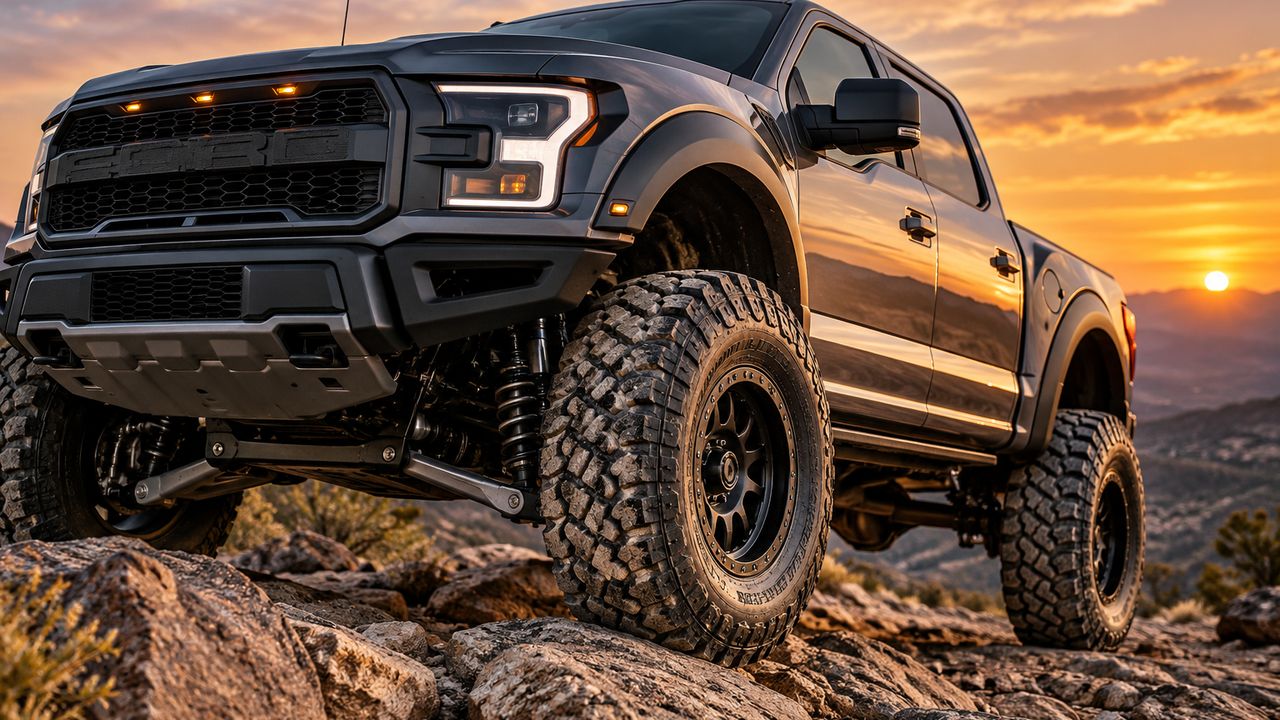
Most conventional trucks need about 4 to 6 inches of lift to run 37-inch tires with useful clearance, but 37s do not have a universal lift requirement. Some solid-axle 4x4s and factory high-clearance models can fit them with much less, while certain IFS trucks may need a taller suspension system, carefully chosen wheels, trimming or all three.
If you are asking what size lift you need for 37-inch tires, the safest starting point is not the lift number. Start with the exact vehicle, actual tire dimensions and wheel position, then determine how much clearance is required at full steering lock and suspension compression.
For many full-size trucks, 4 inches is the lower end worth investigating, 5–6 inches provides more room, and 6 inches is usually enough for 37s when the kit and wheel specifications are designed for them. Jeep-style solid-axle platforms and unusually high-clearance factory packages can be very different.
37-Inch Tire Lift Guide: Where to Start
| Vehicle / Use | Lift Range to Investigate | What Usually Decides Fitment |
|---|---|---|
| Solid-axle Jeep / similar 4×4 | About 2.5–4 inches | Fender clearance, bump stops, wheel backspacing and articulation |
| Half-ton IFS truck | About 4–6 inches | Body mounts, control arms, bumper clearance and wheel offset |
| Heavy-duty truck | About 4–6+ inches | Exact generation, factory ride height, radius arms and wheel specs |
| Factory high-clearance off-road model | Potentially less | Existing tire package, suspension travel and available wheel-well space |
| Hard off-road use | Vehicle-specific | Full compression and articulation rather than parked clearance |
These are starting ranges, not tire-fitment guarantees. A 4-inch suspension designed around a 37×12.50 tire can clear better than a taller setup using the wrong wheel width or offset.
Why 37s Are a Bigger Fitment Step Than They Look
A 37-inch tire is only two nominal inches taller than a 35, which means roughly one additional inch of radius if both tires actually measure their advertised size. That sounds small.
The fitment problem is that diameter is not the only thing changing.
- The tire may also be wider.
- The wheel may need different offset or backspacing.
- The heavier tire places greater demands on steering, braking and driveline components.
- The larger radius brings the tread closer to the body when steering.
- Off-road compression pushes that larger tire farther into the wheel opening.
That is why moving from 35s to 37s can require more than another inch of suspension height.
If 35-inch tires are still your target, use our separate guide to how much lift 35-inch tires need. This page is specifically about the additional clearance and supporting considerations that come with 37s.
A 37-Inch Tire Does Not Always Measure 37 Inches
The sidewall size is not a precision measurement of the tire once it is installed.
Two tires sold as 37×12.50R17 can have different published overall diameters and section widths. Tread design, casing construction, wheel width and manufacturer tolerances all affect the final dimensions.
That matters when clearance is measured in fractions of an inch around a radius arm, sway bar, control arm, bumper corner or body mount.
Before buying, look up the manufacturer’s specifications for the exact tire model and record:
- overall diameter;
- section width;
- approved wheel-width range;
- load index and load range;
- tire weight.
A 37×13.50 can be substantially harder to package than a 37×12.50 even though both share the same nominal diameter.
Can You Fit 37s on a 4-Inch Lift?
Yes, some vehicles can run 37-inch tires with a 4-inch lift. Four inches is not automatically too little, especially on platforms with generous factory tire clearance or suspension kits engineered around 37×12.50 tires.
But the phrase “4-inch lift on 37s” leaves out the information that determines whether the setup actually works.
The wheel width and backspacing may be specified by the suspension manufacturer. Minor trimming may still be required. A setup intended mainly for road use may clear acceptably while the same combination rubs when the front suspension is compressed off-road.
So a 4-inch lift can be enough for 37s—but only when the vehicle, suspension kit, wheel and tire are compatible as a system.
Can You Fit 37s on a 6-Inch Lift?
In many full-size truck applications, yes. A properly engineered 6-inch lift is commonly enough to accommodate 37-inch tires.
That does not mean every 37 fits every truck with six inches of lift.
A wide tire on a wheel with aggressive offset can still contact the body or bumper. A wheel positioned too far inward can hit steering or suspension components. Certain vehicles also require trimming even when the suspension height itself is sufficient.
This is why the related question “Can I fit 37s on a 6-inch lift?” has a better answer than simply yes or no:
- Lift height: usually sufficient on many conventional full-size-truck applications.
- Wheel fitment: must still match the kit’s requirements.
- Tire width: a 12.50-inch tire is generally easier to clear than a 13.50-inch version.
- Trimming: may still be required around vehicle-specific interference points.
- Off-road use: requires more clearance at compression than a parking-lot fitment check.
More Lift Is Not Automatically the Better Solution
If four inches might work, it can be tempting to choose six or eight inches just to eliminate uncertainty. That approach creates its own problems.
Every additional increase in ride height can affect suspension and steering geometry, driveline angles, center of gravity and component operating range. The exact effects depend on whether the vehicle uses IFS, radius arms, a solid axle or another suspension design.
A well-designed taller kit may include the crossmembers, control arms, steering knuckles, track-bar correction, differential relocation, brackets or other hardware required to manage those changes. Simply adding height without correcting the geometry is not equivalent.
The goal should therefore be enough correctly engineered lift to clear the tire for your intended use—not the tallest suspension you can install.
IFS vs Solid Axle: Why the Same 37 Needs Different Lift
IFS Trucks
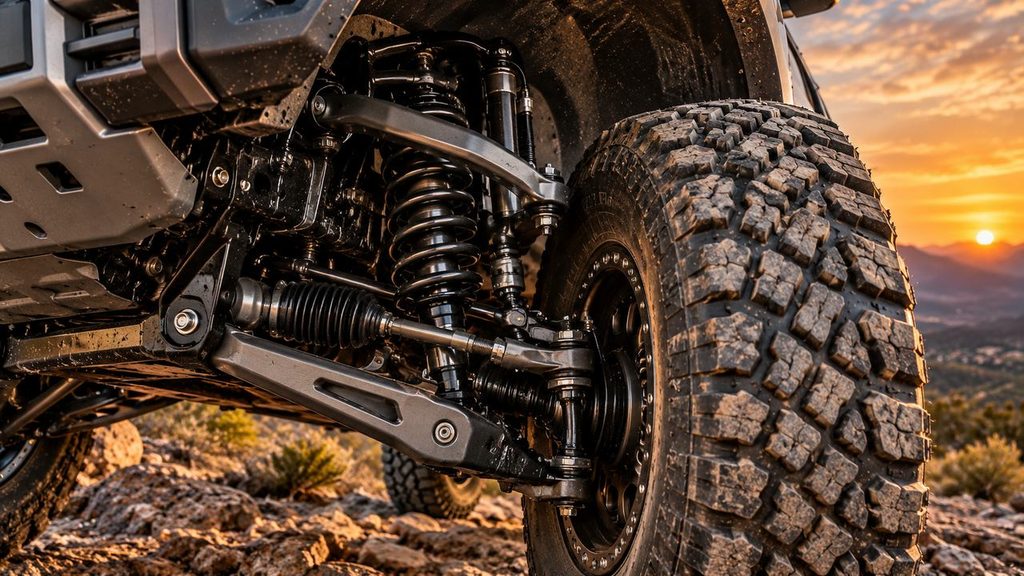
Independent front suspension trucks often become challenging because tire clearance, control-arm position, CV angles and steering geometry all change together.
The tire can contact the rear of the wheel opening, cab or body mount, bumper, liner, upper control arm or sway-bar area depending on the platform and wheel position.
Larger IFS lift systems may therefore use crossmembers, replacement steering knuckles or differential relocation rather than simply spacing the front suspension downward.
Solid-Axle 4x4s
Solid-axle platforms can sometimes fit 37s with substantially less advertised lift because their suspension architecture and body clearance are different.
But articulation becomes particularly important. When one side of the axle moves upward, the tire can travel deeply into the fender opening. Proper bump-stop control, axle position and wheel backspacing can matter more than adding another inch of spring height.
If you want a broader explanation of how these layouts behave off-road, see our guide to off-road suspension layouts.
Wheel Offset and Backspacing Can Make or Break a 37-Inch Setup
A lift creates vertical space. The wheel determines where the tire sits horizontally.
Too much inward positioning can place a 37-inch tire against control arms, radius arms, sway bars, steering knuckles or brake-line areas.
Pushing the wheel farther outward can solve inner clearance but creates a larger steering arc. The tire may then contact the fender, bumper or rear of the wheel opening sooner as you turn.
This is also why blindly adding a wheel spacer is not a universal fix. Moving the tire outward changes scrub radius, bearing load and the path the tire follows during steering.
Use the wheel specifications published by the lift manufacturer for your exact application whenever they are available. A tire-size recommendation made with a 9-inch-wide wheel and a specified backspacing does not automatically apply to a wider wheel with a very different offset. Our wheel offset vs backspacing guide explains how wheel width changes both measurements and why the same offset does not always mean the same clearance.
Where 37-Inch Tires Tend to Rub
When a 37 does not fit cleanly, the contact point tells you more than the advertised lift height.
| Rubbing Area | Likely Factor |
|---|---|
| Upper control arm / radius arm | Wheel position, backspacing or tire width |
| Front bumper or valance | Tire radius and steering arc |
| Rear of front wheel opening | Wheel offset, caster, tire radius or body-mount clearance |
| Fender / flare | Compression, articulation or outward wheel position |
| Sway bar / steering component | Inner tire clearance at steering lock |
| Wheel-well liner | Limited body clearance or tire movement during steering |
The solution depends on where the interference occurs. More lift is not always the correct fix for a tire that is positioned incorrectly on the wheel.
37×12.50 vs 37×13.50: Width Matters
Two 37-inch tires can require different setups even when their nominal diameter is identical.
A 37×13.50 has additional section width compared with a 37×12.50. That extra width reduces clearance on the inside and outside of the wheel opening unless wheel position changes with it.
The wider tire can therefore increase the likelihood of contact with control arms, radius arms or sway-bar components while also increasing fender exposure when pushed outward.
If your priority is making 37s fit with the least possible suspension height or trimming, tire width deserves as much attention as diameter.
Street Fit Is Not the Same as Off-Road Fit
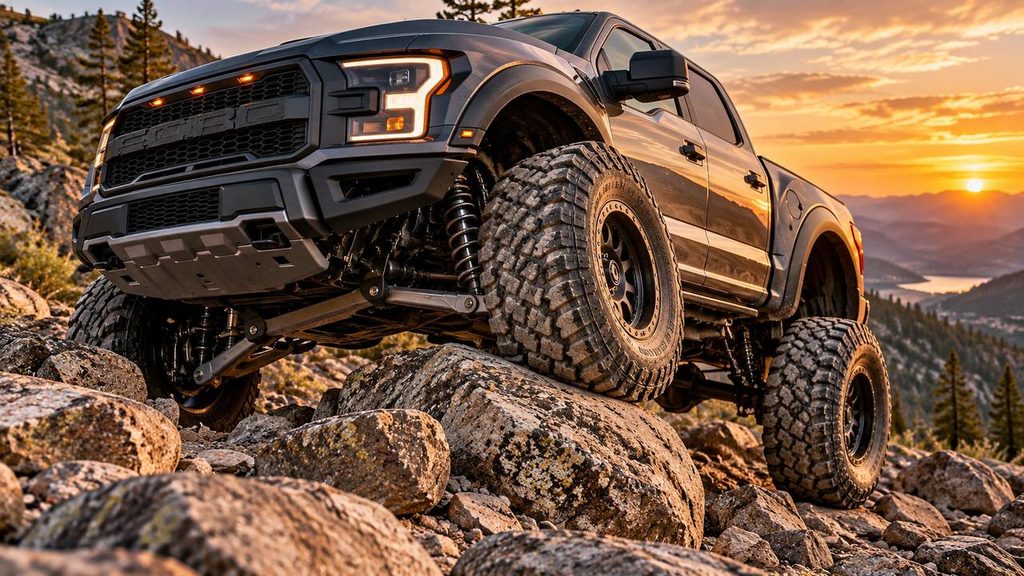
A truck can run 37s without rubbing during normal road driving and still have insufficient clearance for serious trail use.
On pavement, the suspension spends most of its time close to normal ride height. Off-road, one front corner can move deeply upward while the steering is turned. That combination places the tire in the smallest part of the wheel opening.
If the vehicle uses disconnecting sway bars or is designed for substantial articulation, the clearance test should reflect that condition.
Do not assume that increasing lift automatically gives you more wheel travel. Suspension travel is a separate design issue; our long-travel suspension guide explains that distinction in more detail.
How to Check Whether 37s Will Actually Clear
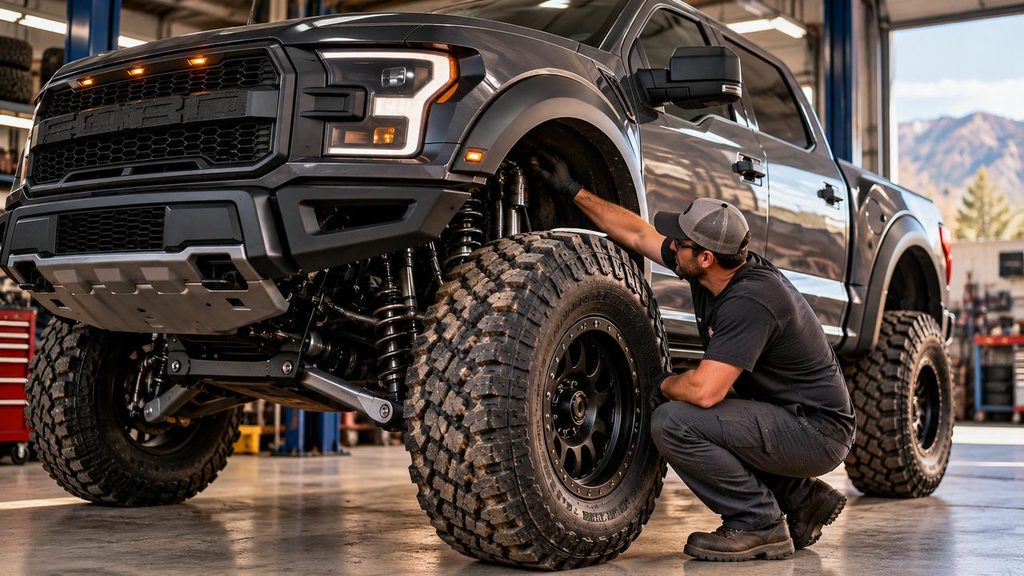
Instead of asking only how much lift you need, verify the complete combination.
- Confirm the exact vehicle configuration. Model year, drivetrain, trim and factory off-road package can all change the starting ride height and available space.
- Choose the exact tire model. Use its published overall diameter and section width, not just the “37” printed in the size.
- Match the wheel to the suspension kit. Check wheel width, diameter, offset and backspacing against the kit manufacturer’s fitment specifications.
- Read the tire-size notes. Look specifically for statements about trimming, factory wheels, spacers and maximum tire width.
- Check steering clearance. Inspect both directions at full lock.
- Check compression clearance. The tire needs space when the suspension moves upward, not just when the truck is parked.
- Consider off-road articulation. Trail use requires more clearance margin than normal street driving.
If the suspension manufacturer says a particular 37-inch tire fits only with a specified wheel range or minor trimming, treat those conditions as part of the fitment—not as optional fine print.
What Else Should Be Checked Before Running 37s?
Clearance gets the tire onto the vehicle. It does not finish the build.
Steering Components
A larger, heavier tire creates more leverage at the steering system. Inspect tie rods, ball joints, track bars, wheel bearings and other applicable components, particularly on vehicles that will see rocks, deep ruts or repeated impacts.
Alignment and Caster
Changing suspension height changes alignment geometry. Caster is especially relevant on many lifted trucks and solid-axle vehicles because it influences steering behavior and can also affect where the tire sits within the wheel opening.
Arrange a proper alignment after the suspension installation. Our guide to alignment after suspension work covers the broader requirement.
Gearing and Drivability
Thirty-seven-inch tires alter effective gearing compared with a smaller factory tire. Acceleration and transmission behavior can change, but there is no universal axle ratio that every vehicle on 37s should use.
The right gearing decision depends on engine, transmission, factory axle ratio, vehicle weight, tire dimensions and intended use.
Braking
A larger wheel-and-tire assembly increases rotating mass and leverage. The effect varies by tire and vehicle, but braking condition and capability should be considered as part of a 37-inch build rather than after the tires are installed.
Speedometer and Vehicle Calibration
The larger rolling circumference can make vehicle speed and distance calculations inaccurate until the tire size is recalibrated where supported.
Modern vehicles may also require additional calibration after significant ride-height changes, particularly when cameras, radar or other driver-assistance sensors are affected by vehicle attitude.
Driveshaft and CV Angles
The tire does not create driveline angle by itself, but the suspension lift used to clear it can. Taller IFS and solid-axle lifts may require geometry corrections or driveline changes depending on the platform.
What About an F-250 or Other Heavy-Duty Truck?
Heavy-duty trucks are a good example of why generic 37-inch tire charts can be misleading.
An F-250, F-350, Silverado/Sierra HD or Ram HD may start with substantially different suspension height and wheel-well geometry from a half-ton truck. Even within the same model family, factory off-road packages and different model years can change the answer.
Some vehicle-specific heavy-duty suspension systems are engineered to clear 37×12.50 tires with around 4–5 inches of lift, while other applications use roughly 6 inches or more. Wheel requirements and minor trimming can still apply.
For that reason, do not use an F-250 recommendation as a universal rule for an F-150—or vice versa.
Should You Use a Leveling Kit, Suspension Lift or Body Lift?
That is a separate decision from tire diameter.
A small leveling kit may be enough on an unusually high-clearance platform, but most conventional vehicles moving to 37s require a more complete solution. If you are deciding between front leveling and a full lift, use our leveling kit vs lift kit guide.
Body lifts solve a different clearance problem because they raise the body without moving the suspension or frame in the same way. Our body lift vs suspension lift comparison covers that distinction without mixing it into the 37-inch tire decision here.
Common Mistakes With 37-Inch Tire Builds
- Buying the tire before checking the lift manufacturer’s wheel requirements.
- Assuming every tire labeled 37 measures exactly the same.
- Using lift height as the only fitment measurement.
- Ignoring tire width when comparing successful builds.
- Copying wheel offset from a different vehicle platform.
- Testing clearance only with the steering centered.
- Calling a setup “rub-free” without testing suspension compression.
- Adding more lift to solve a wheel-position problem.
- Forgetting alignment, calibration and supporting components.
Frequently Asked Questions
What size lift do I need for 37-inch tires?
Most conventional full-size trucks should start by investigating about 4 to 6 inches of lift for 37-inch tires. Some solid-axle 4x4s and factory high-clearance models can use substantially less. Exact fitment depends on tire width, wheel offset, backspacing, body clearance, suspension travel and acceptable trimming.
Is a 4-inch lift enough for 37s?
It can be. Some vehicle-specific suspension systems are designed to accommodate 37×12.50 tires at around 4 inches of lift with the correct wheel specifications and, in some cases, minor trimming. Other vehicles need more height.
Is a 6-inch lift enough for 37-inch tires?
Yes, a properly engineered 6-inch lift is commonly enough for 37-inch tires on many full-size trucks. Wheel width, offset, backspacing and tire width still determine whether the setup clears without rubbing.
Can you fit 37s without trimming?
Some vehicle and wheel combinations can fit 37s without trimming, but it should not be assumed. Lift manufacturers frequently make tire-size recommendations conditional on specific wheel dimensions, and minor trimming may still be necessary.
Are 37×13.50 tires harder to fit than 37×12.50 tires?
Usually, yes. The additional width reduces clearance to both inner suspension components and outer bodywork. Wheel position becomes even more important with a 13.50-inch-wide tire.
Do 37-inch tires require regearing?
Not universally. Thirty-seven-inch tires change effective gearing, but whether axle gears should be changed depends on the vehicle’s engine, transmission, existing axle ratio, weight and use. Regearing should be evaluated for the exact vehicle rather than treated as an automatic requirement.
How much ground clearance do 37s add?
The increase beneath axle-mounted components is approximately half the increase in actual tire diameter. If you move from an actual 33-inch tire to an actual 37-inch tire, the theoretical radius increase is about two inches. Actual tire measurements, pressure and load can change the real result.
What Size Lift for 37-Inch Tires? The Bottom Line
For a typical full-size truck, 4–6 inches is the right range to investigate for 37-inch tires, with 6 inches providing comfortable fitment room on many applications. But that number should never be used without checking the suspension manufacturer’s tire and wheel requirements for the exact vehicle.
A solid-axle Jeep, heavy-duty truck and half-ton IFS pickup can all run the same nominal 37×12.50 tire while needing very different lift heights.
If you have not committed to 37s yet, our 35 vs 37 tires comparison explains what the larger size really gains in ground clearance and obstacle rollover—and what it can cost in fitment, gearing, weight and daily drivability.
The correct build is therefore the one that clears the exact tire at steering lock and usable suspension compression, keeps the wheel in an appropriate position, and corrects the suspension and driveline geometry created by the chosen lift.
Choose the tire and intended use first. Then choose the lowest properly engineered suspension height that provides the clearance you actually need.