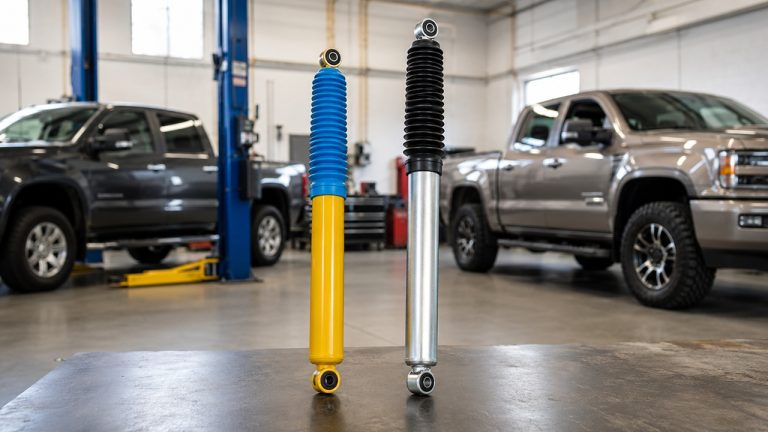
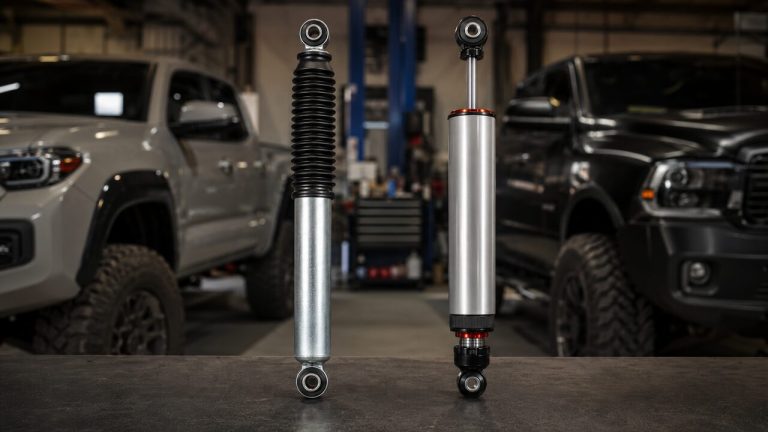
How to Stiffen or Soften Car Suspension Safely

To make a car’s suspension stiffer, first decide what you actually want to reduce: body roll, bouncing, bottoming out or slow steering response. These problems require different changes. Stiffer springs resist compression, firmer dampers control movement and thicker anti-roll bars mainly reduce lean during cornering.
If your suspension already feels harsh and you want to soften it, begin with tire pressure, adjustable damper settings, suspension travel and worn or incorrectly matched parts. Do not modify springs until you have identified the real cause.
Quick Guide: Make Suspension Stiffer or Softer
Before changing any parts, identify what feels wrong when you drive. A car that leans too much in corners may need a different fix from one that bounces after bumps or feels painfully harsh on ordinary roads. Use this comparison to narrow down the likely solution:
| Your Goal or Problem | Most Relevant Change |
|---|---|
| Reduce body roll in corners | Anti-roll bars, matched springs or adjustable dampers |
| Stop repeated bouncing | Inspect and replace worn shocks or struts |
| Prevent bottoming out | Correct spring rate, ride height, travel and bump stops |
| Make steering response sharper | Tires, alignment, dampers, springs and bushings |
| Soften a harsh ride | Correct tire pressure, softer damper settings and more suspension or tire travel |
| Fix a suddenly stiff ride | Inspect for seized, damaged or incorrectly installed components |
Important: a suspension that feels stiff is not necessarily well controlled. Excessive stiffness can make the tires skip over uneven pavement, reducing grip rather than improving it. The objective is a balanced setup that keeps the tires in contact with the road.
What Determines Suspension Stiffness?
Drivers often use “stiff suspension” to describe several different sensations. Understanding the components helps prevent buying the wrong upgrade.
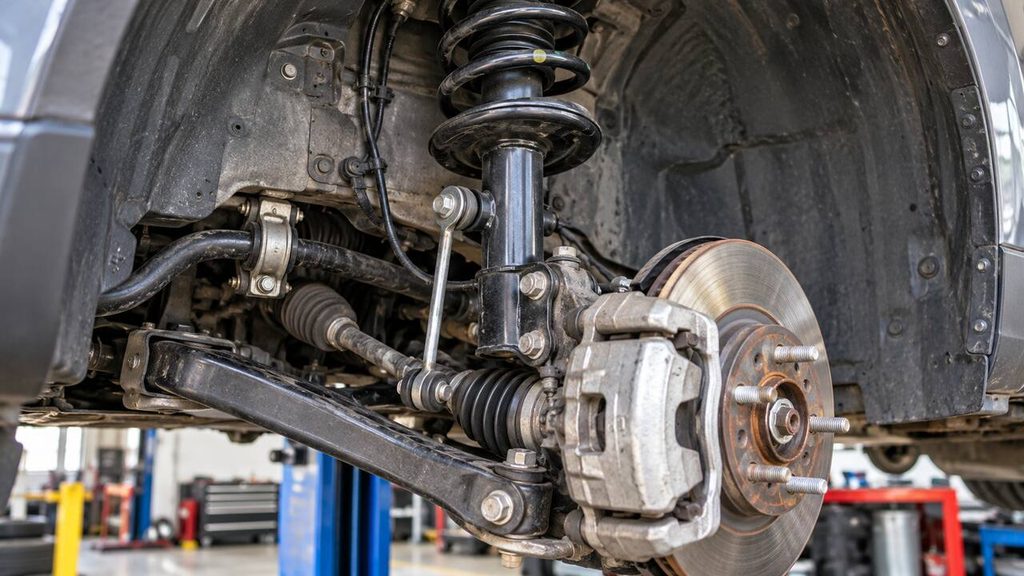
Spring rate
Spring rate describes the force required to compress a spring by a given distance. A higher-rate spring compresses less under the same force, generally reducing body movement but transmitting more road disturbance to the vehicle.
The springs support the car’s weight. Shocks and struts do not replace the spring’s load-carrying function; they control how quickly the suspension moves.
Compression and rebound damping
Compression damping resists the suspension as the wheel moves upward relative to the body. Rebound damping controls how quickly it extends again. Increasing damping may make the suspension feel firmer, but it does not increase the spring rate.
Too little damping allows repeated movement. Too much can prevent the wheel from following a rough surface effectively. Learn more in our guide to what suspension damping does.
Roll stiffness
Roll stiffness is the suspension’s resistance to body lean during cornering. Springs contribute to it, but an anti-roll bar can increase roll stiffness without producing the same effect as fitting significantly stiffer springs.
Tires and bushings
Tire sidewalls provide an initial layer of compliance before the suspension begins moving. Tire construction, sidewall height and inflation pressure can therefore change perceived ride stiffness.
Rubber suspension bushings isolate vibration and permit controlled movement. Firmer polyurethane or solid joints may improve precision in a suitable performance application, but they usually increase noise, vibration and harshness.
How to Stiffen Car Suspension Safely
A firmer setup works best when each change addresses a specific problem. Start with the parts already on the car, then consider upgrades that improve control without taking away the suspension travel needed on real roads.

1. Inspect the existing suspension first
Do not modify a suspension to conceal worn parts. Inspect the shocks or struts, springs, top mounts, ball joints, control-arm bushings, anti-roll-bar links, tires and wheel alignment.
A car that bounces repeatedly may need functioning dampers rather than stiffer springs. Excessive roll can also be made worse by worn shocks, damaged bushings or an absent or disconnected anti-roll-bar link.
2. Adjust the existing dampers or drive mode
If the vehicle has electronically controlled suspension, select its firmer factory setting before replacing hardware. Cars with quality adjustable shocks or coilovers may allow compression, rebound or both to be changed.
Record the current settings before making adjustments. Change only one parameter at a time, use small equal increments from side to side and test the vehicle in a safe environment. Do not assume that turning every adjuster fully firm produces the best handling.
3. Install matched higher-rate springs and dampers
Vehicle-specific performance springs can reduce compression, pitch and roll. However, the dampers must be capable of controlling the new spring rate and must have the correct operating length for the resulting ride height.
Installing stiff, short springs with unsuitable stock dampers can produce poor control, insufficient travel and frequent contact with the bump stops. A matched spring-and-damper package is usually more predictable than combining unrelated components.
Lowering a car is not the same as properly stiffening it. Reduced ride height without adequate suspension travel can make the ride harsh while also reducing grip on rough pavement.
4. Use an anti-roll-bar upgrade for excessive body lean
If the primary complaint is lean during cornering rather than excessive movement over bumps, a vehicle-specific anti-roll bar may be more appropriate than very stiff springs. Performance sway bars increase roll stiffness by resisting the difference in movement between the left and right sides.
This does not make the modification consequence-free. A larger front or rear bar changes handling balance:
- Increasing front roll stiffness can generally encourage more understeer.
- Increasing rear roll stiffness can generally make the car rotate more readily and may increase oversteer.
- Very stiff bars can reduce independent wheel movement on uneven roads.
Use a kit developed for the specific vehicle and begin with the manufacturer’s recommended setting if the bar is adjustable.
5. Select appropriate suspension bushings
Replacing worn rubber bushings can restore steering precision without changing the original design. Firmer performance bushings can reduce unwanted movement, but installing polyurethane or solid joints throughout a road car may introduce substantial noise and harshness.
Bushing hardness should be chosen according to the vehicle’s actual use. A track-oriented setup is not automatically better for daily driving.
6. Finish with alignment and testing
Changes to springs, coilovers, ride height or suspension geometry should be followed by an alignment where required. Incorrect toe or camber can make a vehicle nervous, reduce grip and cause rapid tire wear.
Read our guide explaining when suspension work requires an alignment.
What Is the Cheapest Way to Stiffen Suspension?
The cheapest safe option depends on what the car already has:
- If adjustable dampers are fitted, carefully changing their settings costs nothing.
- If the suspension is loose because parts are worn, replacing the failed component restores control without redesigning the car.
- If body roll is the main problem, an application-specific anti-roll-bar upgrade may target it more directly than replacing the entire suspension.
- If the car uses an electronic sport mode, use and evaluate that factory setting first.
There is no safe universal trick that turns soft stock suspension into a properly engineered performance setup for almost no money. Spring clamps, improvised spacers and other universal devices can restrict suspension travel or place loads where the components were not designed to carry them.
How to Soften Car Suspension
If every crack in the pavement seems to come through the seat, don’t assume the springs are the only problem. Tire construction, overly firm damper settings and limited wheel travel can all contribute to a harsh ride, even when the springs themselves are suitable.
1. Check cold tire pressure
Overinflated tires can make impacts feel sharper. Measure pressures when the tires are cold and compare them with the vehicle manufacturer’s placard, normally found in the driver’s door opening or owner’s manual.
Do not lower pressure below the manufacturer’s safe specification simply to improve comfort. The maximum pressure printed on the tire sidewall is also not normally the target pressure for everyday driving.
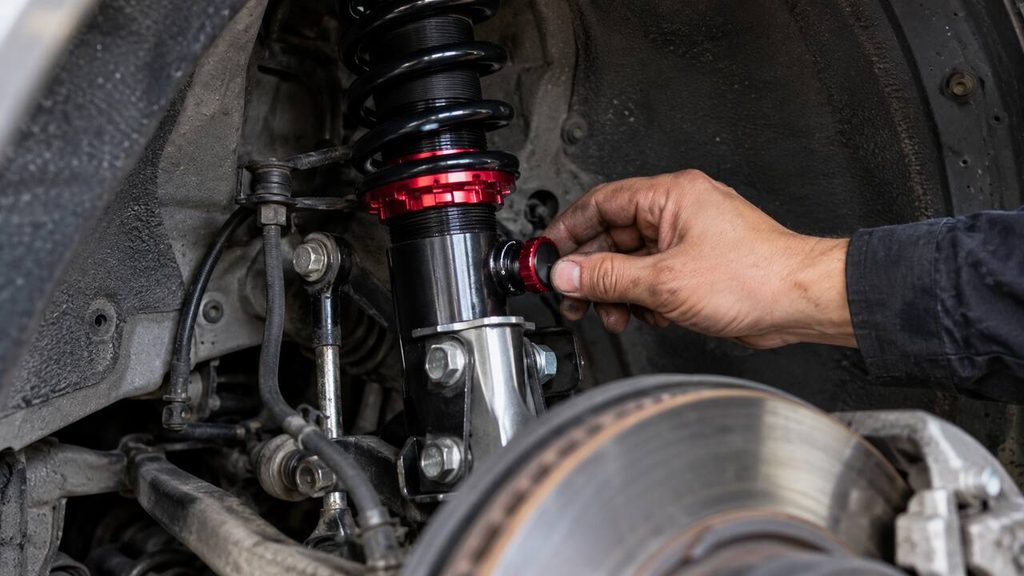
2. Return adjustable dampers to a road setting
If adjustable shocks or coilovers have been set close to maximum firmness, return them to the manufacturer’s recommended street baseline. Reduce damping in small, equal steps and test one change at a time.
Do not randomly soften every adjuster. Excessively low rebound or compression damping can allow bouncing, bottoming or poor body control.
3. Restore suspension travel
A very low car may ride on or close to its bump stops. In that situation, softer damper settings will not solve the impact harshness because there is too little movement available.
Raising adjustable coilovers to an approved ride height, using correctly sized bump stops or replacing unsuitable lowering components can restore usable travel. Confirm that tires, wheels and suspension arms retain adequate clearance throughout their movement.
4. Use matched road-oriented springs and dampers
If track-focused springs or dampers make a daily-driven car excessively harsh, replace them with vehicle-specific street components or the original-equipment setup. Softer springs should still be paired with dampers designed to control them.
Replacing only one part can leave the suspension mismatched. For example, a softer spring with an unsuitable damper may still ride poorly or oscillate after bumps.
5. Consider smaller wheels with taller tire sidewalls
When the vehicle manufacturer approves more than one wheel size, a smaller wheel with a correctly sized, higher-profile tire can improve impact compliance. The replacement must preserve appropriate overall diameter, load rating, speed rating, brake clearance and wheel fitment.
Do not choose an unapproved tire size only for comfort. Confirm compatibility with a tire professional or the vehicle manufacturer’s specifications.
6. Replace damaged or unsuitable bushings
Binding joints, seized components or incorrectly installed bushings can create a harsh ride. If a previous modification replaced compliant rubber with very hard polyurethane or solid joints, returning to quality vehicle-specific rubber bushings may reduce noise and impact harshness.
Some bonded rubber bushings must be finally tightened at normal ride height. Tightening them while the suspension hangs can preload the rubber and restrict movement. Follow the model-specific service procedure and torque specifications.
Why Does My Suspension Suddenly Feel Stiff?
A sudden change is more likely to indicate a fault than a need for softer performance parts. Possible causes include:
- Incorrect or unusually high tire pressure.
- A seized shock, strut, ball joint or suspension pivot.
- A broken spring or displaced spring seat.
- Damaged or collapsed top mounts and bushings.
- An electronic or adaptive suspension stuck in a firm setting.
- Incorrectly installed suspension components.
- The vehicle repeatedly contacting its bump stops.
If the ride changed abruptly after a pothole, collision or repair, have the suspension inspected before continuing to drive aggressively.
Unsafe Ways to Stiffen or Soften Car Suspension
Some shortcuts change how a car feels by compromising the parts that keep its suspension working safely. Avoid the following modifications, even if they promise a quick improvement without replacing components:
- Do not cut coil springs. This can change spring seating, available travel and spring rate unpredictably.
- Do not heat springs. Heat can alter the metal’s properties and lead to failure.
- Do not use excessive tire pressure. It can reduce grip, alter wear and make the ride harsher.
- Do not install universal spring clamps or improvised blocks. They may interfere with normal movement or become displaced.
- Do not assume more preload makes a linear spring stiffer. On many coilovers, preload changes the installed condition and available travel, not the spring’s actual rate.
- Do not turn every damper adjuster fully firm. Excessive damping can reduce compliance and grip on rough roads.
- Never work under a car supported only by a jack. Spring removal can store dangerous energy and may require a professional spring compressor and model-specific procedure.
Does Stiffer Suspension Improve Handling?
It can improve response and reduce unwanted body movement when the original setup is too soft for the intended use. However, stiffer is not always faster or safer.
On smooth pavement, a performance-oriented setup may feel more precise. On broken or uneven roads, excessive spring rate or damping can make the tires lose consistent contact with the surface. The best setup balances body control, suspension travel and tire grip.
Our guide to stock vs. performance suspension explains the compromises in more detail.
Suspension Stiffness FAQ
What does stiff suspension feel like?
A properly controlled stiff suspension usually produces less body movement and a more immediate response to steering input. An excessively stiff setup can feel abrupt over small bumps, skip across rough pavement or repeatedly hit the bump stops.
Do stiff shocks make suspension stiffer?
Firmer shocks increase resistance to suspension movement, so the car may feel stiffer during transitions and impacts. They do not change the spring’s static rate. Springs and dampers perform different jobs and should be matched.
Can you stiffen suspension without lowering the car?
Yes. Depending on the vehicle, options can include stock-height performance springs, correctly valved dampers, adjustable shocks, anti-roll bars and renewed or firmer bushings. Every component must be designed for the specific application.
Will a thicker sway bar make the ride harsh?
It mainly increases resistance when the left and right wheels move differently, such as during cornering or a one-wheel bump. Its effect on straight-line ride can therefore differ from fitting stiffer springs, but an excessively large bar can reduce independent wheel movement and alter handling balance.
How can I soften suspension without replacing it?
Check cold tire pressure against the door placard, select the vehicle’s comfort mode and return adjustable dampers to their recommended street settings. If the harshness comes from insufficient travel or unsuitable parts, component changes may still be necessary.
Should shocks or springs be replaced first?
Replace the component responsible for the problem rather than guessing. Worn shocks cause poor motion control; springs determine load support, ride height and much of the suspension’s rate. When changing specifications, use a spring-and-damper combination designed to work together.
See our shocks, struts and springs comparison if you are unsure which component performs each function.
How to Balance Suspension Stiffness and Ride Comfort
To stiffen a car suspension correctly, match the modification to the problem: dampers control movement, higher-rate springs resist compression and anti-roll bars target cornering lean. Inspect the existing suspension first and use vehicle-specific components that preserve safe travel and alignment.
To soften a harsh suspension, start with correct tire pressure and adjustable settings, then inspect travel, dampers, springs and bushings. Avoid improvised shortcuts. A balanced suspension that keeps the tires on the road is more useful than the stiffest or softest setup possible.