Is Air Suspension Good for Daily Driving? Pros & Cons
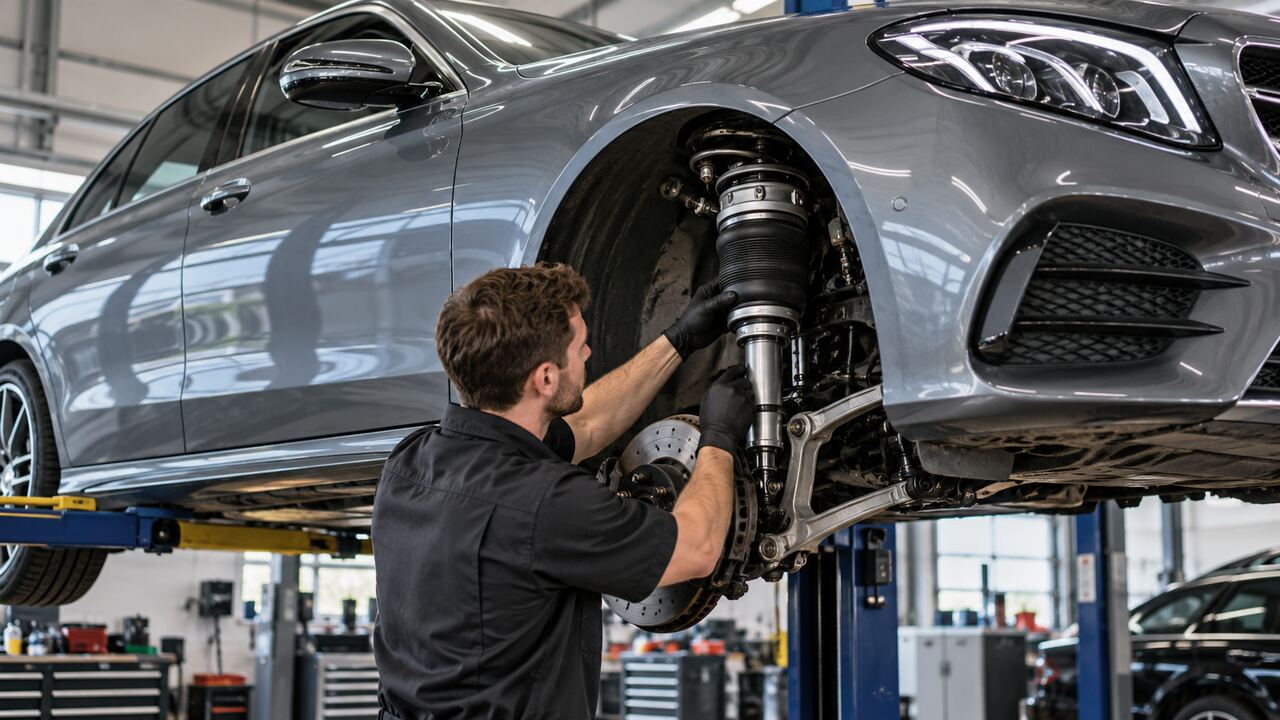
Yes, air suspension can be excellent for daily driving. A properly designed and maintained system can provide a comfortable ride, automatic load leveling and, on some vehicles, adjustable ground clearance. It is not inherently unsuitable for commuting or high-mileage driving.
The tradeoff is complexity. Air suspension has more components that can eventually fail than a conventional coil-spring system, so repairs may be more expensive as the vehicle ages. Whether it is right for you depends on the system, its condition and how much you value comfort and adjustability.
Quick Verdict: Is Air Suspension Good for a Daily Driver?
Air suspension can be a good choice for everyday use, but its advantages depend on what matters most to you. This quick comparison shows where it performs well and where conventional springs may be preferable:
| Daily-driving priority | Is air suspension a good fit? |
|---|---|
| Ride comfort | Usually yes, especially with a well-tuned factory system |
| Carrying changing loads | Yes, automatic load leveling is a major advantage |
| Lowest possible repair cost | Probably not; coil springs are simpler |
| Adjustable ride height | Yes, if the vehicle provides this feature |
| Long-term ownership | Yes, provided you budget for age-related repairs |
| Cheap aftermarket installation | No; component and installation quality are critical |
How Air Suspension Works
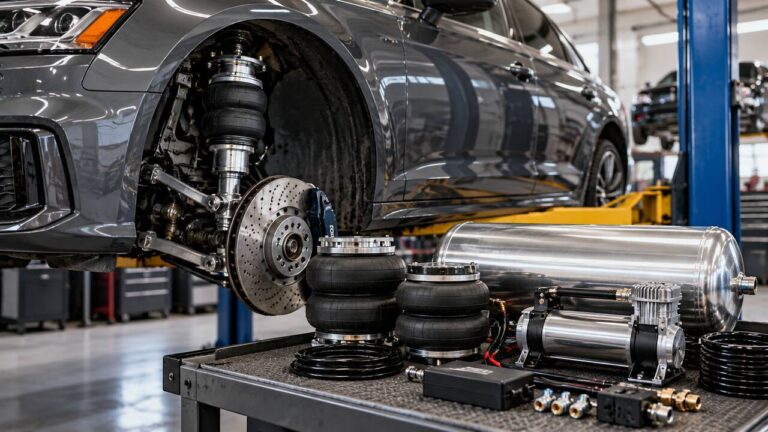
Air suspension uses flexible, pressurized air springs to support the vehicle. A typical electronically controlled system includes a compressor, air lines, valves, height sensors and a control module. Some systems also include a reservoir that stores compressed air for faster height adjustments, but not every air suspension system uses one.

The air springs support the vehicle, but dampers or shock absorbers still control suspension movement. Air suspension and suspension damping perform different jobs, even when an air spring and damper are combined in one air strut.
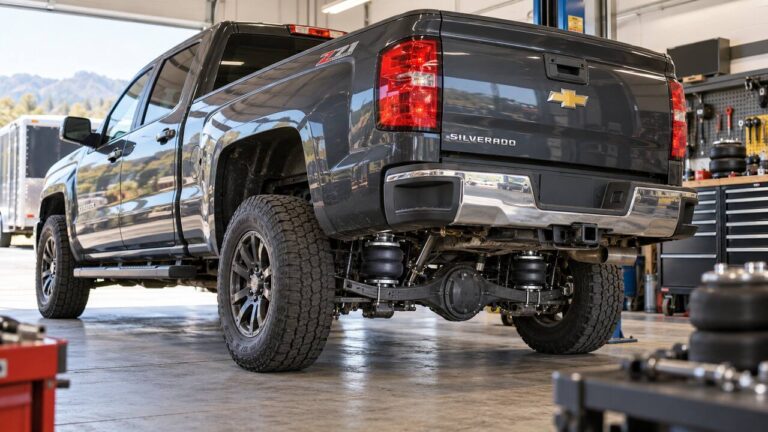
Depending on the vehicle, the system can add or release air to maintain a level ride height when passengers or cargo are added. Some systems can also raise the vehicle for additional ground clearance or lower it at speed, but these features are not available on every air-suspended vehicle.
Benefits of Air Suspension for Daily Driving
The main everyday advantages involve comfort, load leveling and adaptability, although the exact benefits depend on the vehicle and its suspension design.
Comfortable, Controlled Ride
A well-engineered factory air suspension can isolate occupants from road imperfections while keeping the body controlled. Ride quality still depends on the dampers, tires, suspension geometry and manufacturer tuning, so air springs alone do not guarantee a soft ride.
Automatic Load Leveling
When passengers, luggage or cargo are added, a self-leveling system can restore the intended ride height. This helps preserve suspension travel, headlight aim and predictable handling instead of allowing the rear of the vehicle to sag. Load leveling does not increase the vehicle’s rated payload, axle limits, GVWR or towing capacity.
Adjustable Ride Height
Some vehicles allow the driver to raise the suspension for rough roads or lower it for easier entry. Certain factory systems also adjust height automatically according to speed or driving mode. Always use only the settings and speeds permitted in the owner’s manual.
Adaptability
Modern factory systems may coordinate the air springs with adaptive dampers and the vehicle’s drive modes. This can provide a more comfortable setting for commuting and a firmer, more controlled setting when required.
Disadvantages of Air Suspension
Air suspension also brings additional components and maintenance considerations that become especially important as a vehicle gets older.
More Components Can Fail
Conventional suspension is mechanically simpler. An air-suspension system can develop faults in its air springs, compressor, valve block, height sensors, air lines, fittings, wiring or control module.
Repairs Can Be Expensive
The cost depends heavily on the vehicle and failed component. A leaking line or fitting may be relatively inexpensive, while replacing multiple air struts or a compressor can cost much more. Our guide to Mercedes air-suspension replacement costs shows why a diagnosis is essential before authorizing repairs.
Small Leaks Can Cause Larger Problems
A leak may cause one corner or axle to sink while the vehicle is parked. It can also make the compressor run more frequently to maintain height. Repeated operation increases heat and can accelerate compressor wear, while moisture entering the system may cause additional damage.
Age and Climate Matter
Rubber, seals and air-line connections deteriorate with age and use. Road salt, debris, moisture and temperature changes can expose a weak seal or existing leak. This does not mean every system will fail at a particular mileage, but an older vehicle deserves a careful inspection before purchase.
Factory Air Suspension vs. Aftermarket Air Ride
Factory and aftermarket air suspension systems can both work for daily driving, but their integration, reliability and maintenance requirements can differ significantly:
| Factor | Factory system | Aftermarket system |
|---|---|---|
| Vehicle integration | Engineered with the vehicle’s electronics and suspension | Depends on kit design and installation |
| Daily usability | Designed for normal road use | Can be suitable if correctly specified and installed |
| Ride quality | Tuned by the vehicle manufacturer | Varies with air springs, dampers, pressure and available travel |
| Reliability | Depends on design, age and maintenance | Strongly affected by component and installation quality |
| Main concern | Age-related repair cost | Poor fitment, air-line routing or incorrect operating height |
A factory-equipped luxury car or SUV is very different from a modified car built primarily to sit extremely low at shows. A high-quality, vehicle-specific aftermarket system can be used daily, but it needs suitable suspension travel, correctly matched dampers, protected air lines and professional installation.
If you are deciding between two types of adjustable suspension, see our detailed air suspension vs. coilovers comparison.
Is Air Suspension Reliable?
Air suspension can be reliable enough for daily driving, but there is no universal lifespan that applies to every system. Reliability varies by vehicle design, component quality, installation, climate, road conditions, load and maintenance history.
Be cautious of claims that every air suspension lasts a specific number of miles. Some systems operate for many years without major repairs, while others develop a leak sooner. Age and operating cycles can matter as much as odometer mileage.
Warning Signs to Check Before a Daily Drive
Before relying on an air-suspended vehicle for daily commuting, watch for these signs that the system may need attention:

- One corner sits lower: An air spring, line, fitting or valve may be leaking.
- The vehicle sinks overnight: This commonly indicates that the system is losing air while parked.
- The compressor runs unusually often: The system may be compensating for a leak.
- Suspension warning appears: Read the owner’s manual and have the fault diagnosed instead of repeatedly clearing it.
- The ride becomes harsh or bouncy: The problem may involve ride height, pressure, dampers or another suspension component.
- The compressor is silent and the vehicle remains low: Possible causes include a compressor, relay, fuse, wiring or control fault.
Can You Drive With Broken Air Suspension?
Do not continue driving normally if the vehicle is sitting extremely low, a tire can contact the body, steering or braking feels abnormal, or the manufacturer displays a stop-driving warning. Driving in that condition can damage tires, air springs and other suspension components.
If the vehicle remains level and controllable but displays a warning, follow the instructions in its owner’s manual and arrange a diagnosis promptly. When its condition is uncertain, transporting it on a flatbed is safer than attempting a long drive.
How to Make Air Suspension Last Longer
Good maintenance starts with detecting leaks early and following the vehicle or kit manufacturer’s instructions. These six habits can help reduce unnecessary wear:
- Investigate overnight sagging or frequent compressor operation early.
- Keep air springs, lines and fittings free from accumulated road debris and salt.
- Use the manufacturer’s jacking or tire-change mode before lifting the vehicle when required.
- Do not exceed the vehicle’s payload or gross vehicle weight rating.
- For aftermarket systems, follow the kit manufacturer’s minimum pressure and operating-height instructions.
- Replace the actual failed component after a proper diagnosis instead of assuming the compressor is always responsible.
Aftermarket specifications are kit-specific. For example, Air Lift’s maintenance guidance recommends regular leak checks, but the required pressure and service procedure must come from the instructions for your particular system.
Is Air Suspension Worth It for Daily Use?
It is usually worth considering if you prioritize ride comfort, carry changing loads, tow regularly or genuinely need adjustable ride height. A factory system in good condition can make an excellent daily driver.
Conventional springs may suit you better if your main priority is mechanical simplicity and the lowest possible long-term repair cost. Adding a complete aftermarket system solely for appearance may not justify its cost and maintenance for every commuter.
Frequently Asked Questions
Is air suspension bad for daily driving?
No. A properly functioning factory system or a well-installed aftermarket system can be used every day. The main disadvantage is greater complexity and potentially higher repair costs as components age.
Does air suspension always ride better?
No. Ride quality also depends on damper tuning, tires, suspension travel and operating pressure. A well-engineered system can be very comfortable, while a poorly selected or installed kit may ride harshly.
How long does air suspension last?
There is no dependable mileage that applies to every vehicle. Design, age, climate, road conditions, installation and maintenance all affect component life. Evaluate the condition of the individual vehicle rather than relying on a universal mileage claim.
Does air suspension require regular maintenance?
Factory systems generally require inspection rather than frequent adjustment. Watch for sagging, leaks, warnings and excessive compressor operation. Aftermarket systems may also require pressure checks and other maintenance specified by their manufacturer.
Should you convert failed air suspension to coil springs?
It depends on repair cost, vehicle value and how important the original ride and self-leveling functions are to you. A conversion may reduce complexity, but it can change ride quality, load leveling and electronic behavior. Compare a correct repair with a vehicle-specific conversion before deciding.
The Daily-Driving Tradeoff: Comfort vs. Repair Costs
Air suspension is not inherently bad for daily driving. When correctly designed, installed and maintained, it can provide excellent comfort, consistent ride height and useful adjustability. Its real disadvantage is not everyday usability but the possibility of more expensive repairs as the system ages.