How Much Does It Cost to Install Air Suspension?
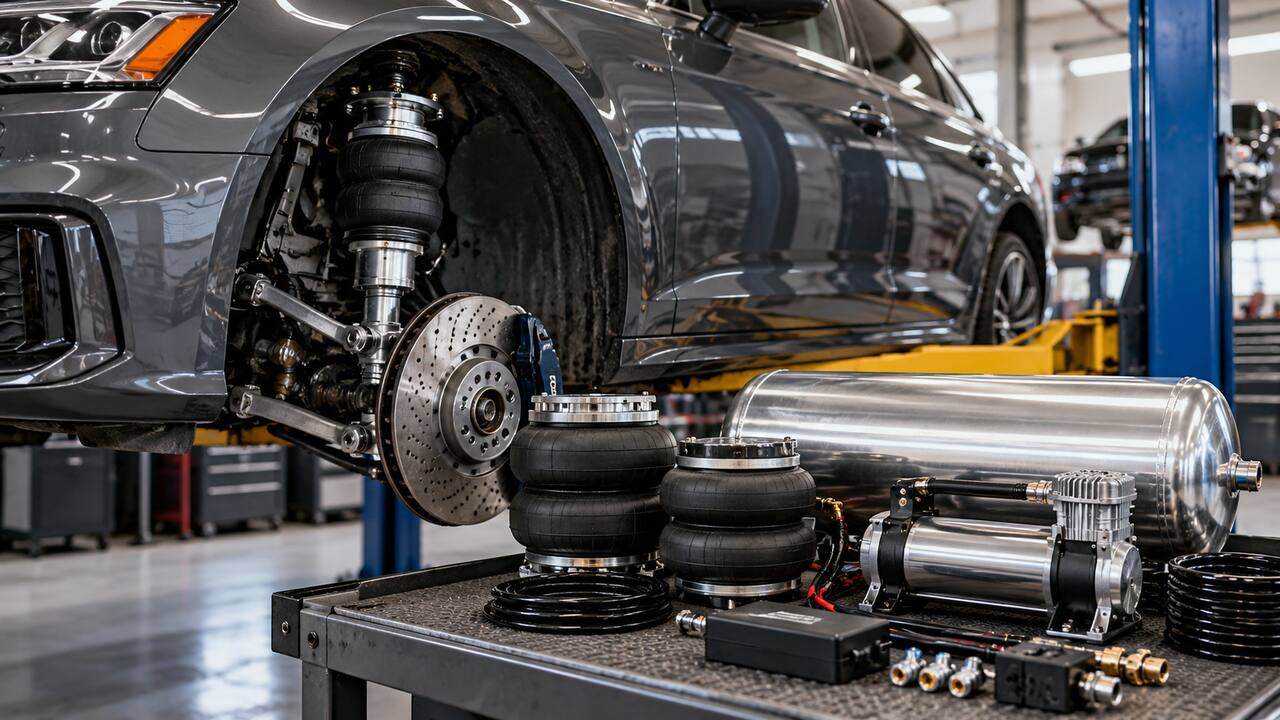
Installing a complete aftermarket air suspension system typically costs about $2,500 to $8,000 in the United States, including parts and professional installation. A basic vehicle-specific setup installed with a simple management system may fall near the lower end, while premium electronic management, dual compressors, custom hard lines or a show-quality trunk installation can push the total beyond $10,000.
The final price depends on the car, suspension hardware, air-management system, installation labor and amount of custom fabrication required. A low advertised price may include only the front and rear air suspension—not the compressor, tank, controller, valves, wiring and air lines needed to operate it.
Air Suspension Installation Cost at a Glance
A complete air suspension conversion involves several separate expenses. The table below breaks down typical U.S. costs for suspension hardware, air management, installation labor and optional customization so you can see where the money goes.
| Expense | Typical U.S. Price Range |
|---|---|
| Vehicle-specific air suspension | $1,500–$3,000 |
| Air management system | $800–$2,500+ |
| Professional installation | $500–$3,000+ |
| Alignment | $100–$250 |
| Custom trunk display or fabrication | $500–$5,000+ |
| Typical complete installed system | $2,500–$8,000 |
| Premium show-quality build | $8,000–$15,000+ |
These are planning estimates rather than quotes. Complete kits may bundle components for less than buying each item separately, so the total installed price is not necessarily the sum of every individual estimate. Regional labor rates, vehicle design, taxes, shipping and optional fabrication can change the total substantially.
What This Cost Guide Covers
This article covers the cost of converting a car from conventional springs to a complete aftermarket air suspension system. It does not estimate the cost of repairing or replacing factory air suspension already fitted to a vehicle.
If your car already has air suspension and one or more components have failed, use our separate guide to air suspension replacement costs.
What Is Included in a Complete Air Suspension System?
A functioning conversion has two main sections: the suspension hardware that supports the vehicle and the air-management equipment that controls it.
- Front and rear air suspension: Vehicle-specific air struts or separate air springs and dampers.
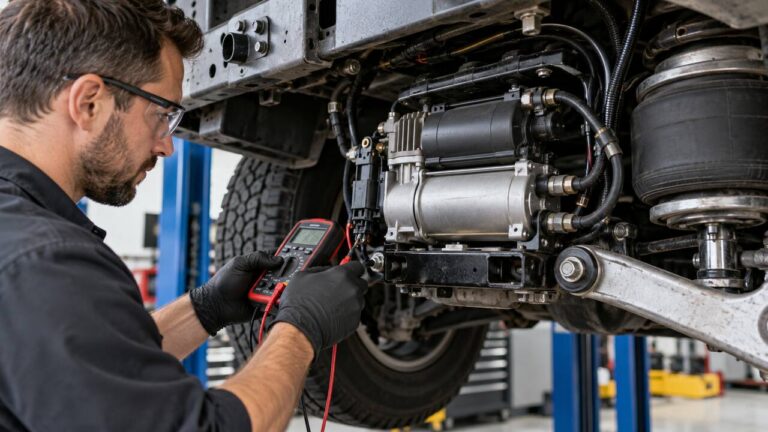
- Air compressor: Produces compressed air for the system.
- Air tank: Stores compressed air so height changes can happen without waiting for the compressor.
- Valve manifold: Directs air into and out of each air spring.
- Controller: Allows the driver to raise, lower and monitor the suspension.
- Air lines and fittings: Connect the compressor, tank, manifold and air springs.
- Electrical hardware: Wiring, relays, fuses and power cables.
- Installation hardware: Vehicle-specific brackets, mounts and fasteners.
A suspension-only package may look inexpensive because it excludes most of the management equipment. Always compare complete parts lists rather than headline prices.
Cost of the Front and Rear Air Suspension
The vehicle-specific suspension hardware commonly costs about $1,500 to $3,000. Price depends on the car, suspension layout, drivetrain and whether the dampers include height, damping or camber adjustment.
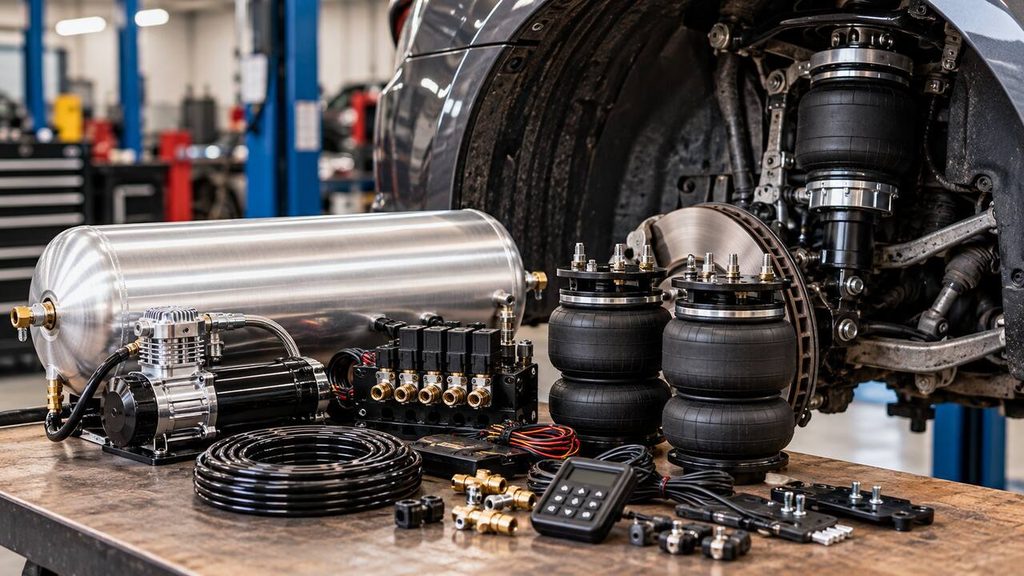
Some manufacturers sell front and rear kits separately. For example, a listing may show a front price near $1,100 and a rear price near $1,000, but purchasing those parts alone does not provide a compressor or control system.
Compatibility must be checked using the complete year, make, model, trim and drivetrain. A kit for an all-wheel-drive model may differ from one designed for the rear-wheel-drive version of the same car.
Air Management System Cost
Air management generally adds approximately $800 to $2,500 or more. The controller and valve system selected can have a major effect on both price and daily usability.
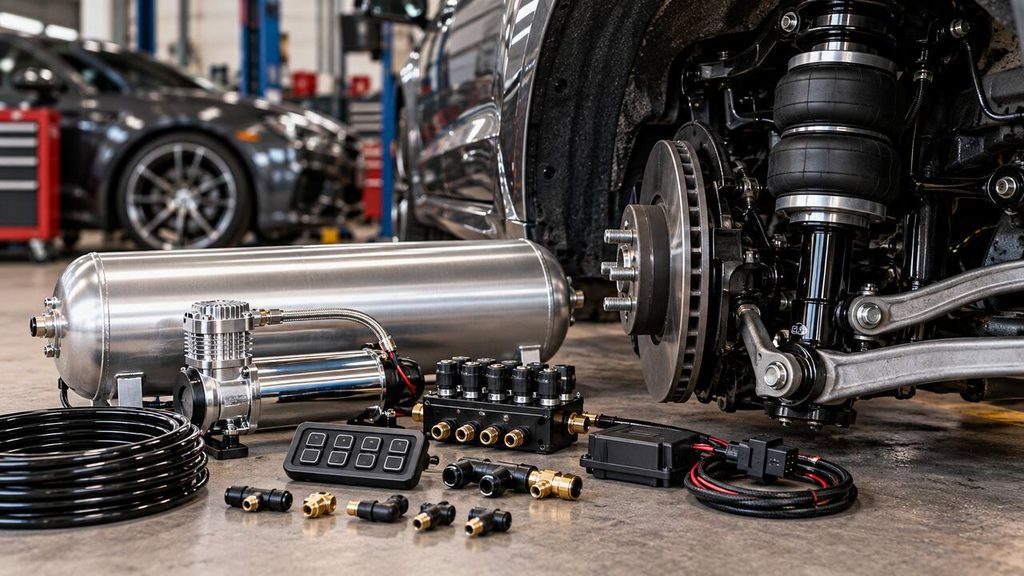
Manual Management
A manual system uses paddle valves or basic switches to add and release air. It is normally the least expensive option and has fewer electronic components, but it does not provide the convenience of programmable presets.
Pressure-Based Electronic Management
A pressure-based controller displays or monitors the pressure at each air spring. Many systems allow the driver to save presets and control individual corners. Pressure is useful information, but the same pressure does not always produce exactly the same height when passengers or cargo change.
Height-Based Management
A height-based system adds sensors that measure the vehicle’s actual position. This can provide more repeatable ride-height control under changing loads, but the additional sensors, brackets, wiring and calibration increase parts and installation costs.
Single vs. Dual Compressor Cost
A single compressor is sufficient for many street builds and costs less. A dual-compressor setup fills the tank faster and adds redundancy, but it also requires more space, wiring and electrical capacity.
| Setup | Main Advantage | Cost Effect |
|---|---|---|
| Single compressor | Lower price and simpler installation | Lowest |
| Dual compressors | Faster recovery and partial redundancy | Adds several hundred dollars plus labor |
| Larger or polished tank | More stored air or improved appearance | Higher parts and fabrication cost |
The electrical system must be capable of supporting the compressor load. Correct wire size, relays, fuses and grounding are essential.
Professional Air Suspension Installation Cost
Professional installation can cost from approximately $500 for a straightforward bolt-in job to $3,000 or more for a complex vehicle or highly customized installation.
Labor typically includes:
- Removing the factory springs, shocks or struts
- Installing the vehicle-specific air suspension
- Mounting the tank, compressor and manifold
- Routing and protecting the air lines
- Wiring the compressor and management system
- Checking clearances throughout the suspension’s travel
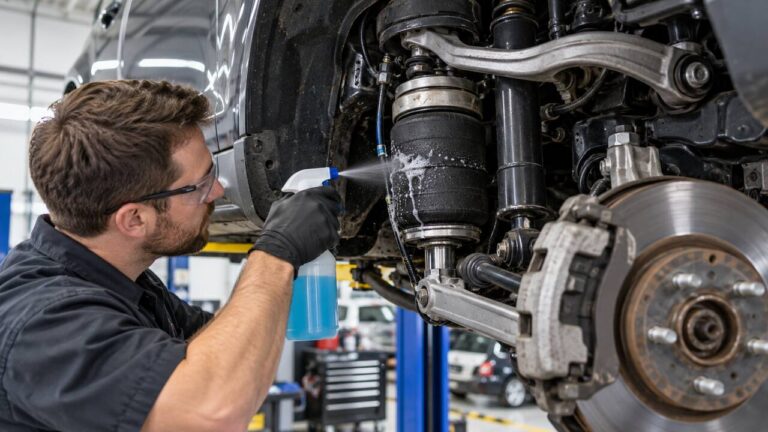
- Testing every connection for leaks
- Configuring and calibrating the controller
- Setting a safe normal driving height
Ask whether the quote includes alignment, calibration, leak testing, fabrication, wiring materials and post-installation inspection. A cheaper labor quote may exclude important steps.
Why Custom Trunk Installations Cost More
A basic hidden installation prioritizes function and keeps fabrication to a minimum. A show installation may display the tank, compressors and hard lines beneath a custom floor or enclosure.
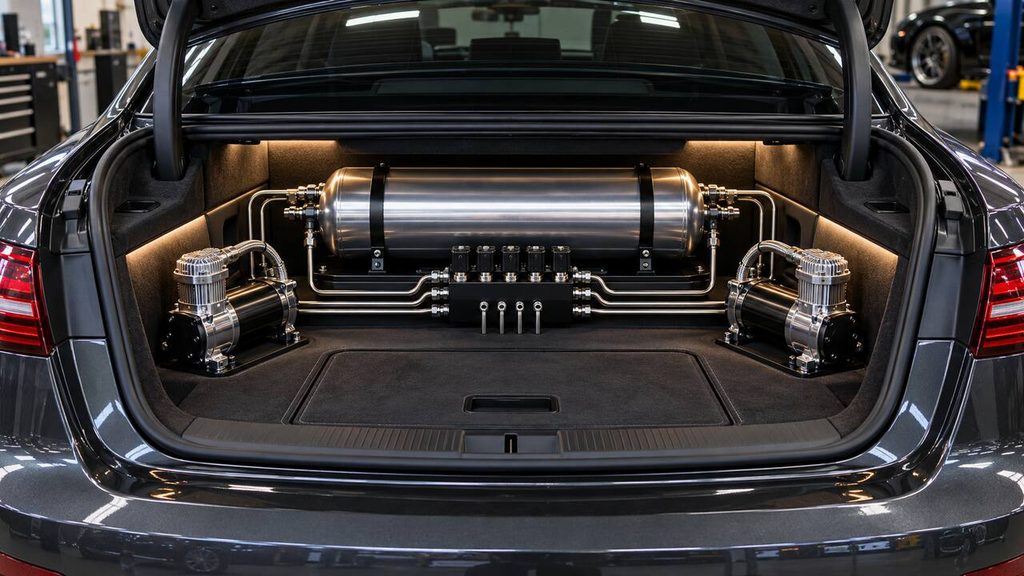
Additional costs can include:
- Custom flooring or raised trunk panels
- Hard-line bending and polished fittings
- Painted, polished or wrapped air tanks
- Lighting and transparent display panels
- Sound isolation for the compressors
- Additional electrical and upholstery work
A custom display can add hundreds or several thousand dollars without changing the suspension’s basic function.
Additional Costs People Forget
The air suspension kit and installation labor are not always the final expenses. Alignment, additional clearance, electrical upgrades and other vehicle-specific requirements can increase the overall budget. These are the extra costs worth discussing with your installer:
| Additional Expense | Why It May Be Needed |
|---|---|
| Wheel alignment | Ride height changes affect suspension geometry |
| Adjustable control arms | May be required to correct camber on a heavily lowered car |
| Wheel or tire changes | Necessary when the existing setup rubs at the intended height |
| Fender modification | Some extreme builds require additional clearance |
| Upgraded electrical wiring | Needed to safely supply compressor current |
| Shipping and tax | Large suspension and tank packages can be expensive to ship |
| Inspection or certification | Requirements vary by state and local jurisdiction |
| Post-installation retorque | Some manufacturers require follow-up inspection |
The car should be aligned at the height used for normal driving. Driving at a substantially different height can alter camber and toe even after an alignment. Our wheel alignment cost guide explains what shops typically charge, including for modified vehicles.
Can You Install Air Suspension Yourself?
A competent DIY installation can avoid much of the labor cost, but it is not free. The job combines suspension work, electrical wiring, pneumatic plumbing and safe vehicle lifting.
You may need:
- A level work area and properly rated jack stands or lift
- Vehicle-specific suspension tools
- A calibrated torque wrench
- Air-line cutting and fitting tools
- Electrical crimping and testing equipment
- Drilling or fabrication tools when the kit requires them
- Access to alignment equipment after installation
Never work beneath a vehicle supported only by a jack. Coil springs store enough energy to cause severe injury, and a vehicle with unpressurized air springs must be supported independently of the suspension.
A mistake in air-line routing can create a leak, while inadequate wiring can overheat or damage the compressor circuit. If you cannot verify every mounting, electrical and clearance requirement, professional installation is the safer option.
Air Suspension vs. Coilover Installation Cost
Air suspension generally costs more to install than conventional coilovers because it requires additional pneumatic and electrical components. The comparison below highlights the main differences in installation complexity, initial cost and maintenance:
| Factor | Air Suspension | Coilovers |
|---|---|---|
| Typical parts required | Suspension plus compressor, tank, valves, controls and plumbing | Four coilover units and related hardware |
| Installation complexity | Mechanical, pneumatic and electrical work | Primarily mechanical work |
| Ride-height adjustment | From the controller when installed correctly | Normally requires lifting the car and manual adjustment |
| Initial cost | Usually higher | Usually lower |
| Maintenance | Includes leak and air-management checks | Fewer system components |
| Best suited to | Adjustable stance and versatile ride height | Simpler fixed-height street or performance setup |
If you have not decided between the two systems, read our full air suspension versus coilovers comparison before buying parts.
Does Air Suspension Always Improve Ride Comfort?
No. Air springs allow adjustable pressure and height, but ride quality also depends on damper tuning, spring design, tires, suspension geometry and available travel.
A quality system operating at its intended driving height can be comfortable and controlled. A poorly selected kit, excessive pressure or a car driven too close to its travel limits can produce a harsh ride.
Our guide to using air suspension for daily driving covers reliability, maintenance and comfort in more detail.
Ongoing Air Suspension Costs
A properly installed system does not necessarily require a fixed amount of paid maintenance every year. However, owners should budget for inspections and eventual component wear.
- Checking fittings and air lines for leaks
- Draining moisture from the tank as specified
- Inspecting air springs for rubbing or damage
- Cleaning or replacing filters and water traps when applicable
- Replacing a worn compressor, valve or air spring eventually
- Rechecking alignment after changing the normal driving height
A small leak should be repaired promptly because excessive compressor operation can shorten compressor life.
How to Get an Accurate Installation Quote
Two installation quotes can differ substantially because they include different components or services. Before comparing prices, make sure each shop is quoting the same equipment and level of installation. Use this checklist to request a clear, itemized estimate:
- Provide the complete year, make, model, trim and drivetrain.
- State whether you want a basic hidden installation or custom trunk display.
- Choose manual, pressure-based or height-based management.
- Decide between a single- and dual-compressor setup.
- Ask for an itemized list of every included component.
- Confirm whether labor includes wiring, plumbing, leak testing and calibration.
- Ask whether alignment and post-installation inspection are included.
- Check the warranty on both the parts and installation labor.
Use a shop with documented experience installing air suspension on your vehicle platform. The quality of the installation has a major effect on reliability.
Is Installing Air Suspension Worth the Cost?
Air suspension can be worth the cost if you genuinely value on-demand ride-height adjustment, show-car stance or the ability to raise a low vehicle for obstacles. It is less compelling when the priority is the lowest possible purchase price, minimal maintenance or a simple track-focused setup.
Do not expect the modification to add its full cost to the car’s resale value. Modified vehicles appeal to a smaller group of buyers, and installation quality must be documented.
Frequently Asked Questions
How much is a complete air suspension system?
A complete aftermarket air suspension kit, including suspension hardware and air management, commonly costs about $2,000 to $6,000 or more before professional installation. Labor, wheel alignment and any custom fabrication are additional expenses.
How much does a shop charge to install air suspension?
Professional installation can range from roughly $500 to several thousand dollars. A straightforward bolt-in installation costs less than a custom trunk display with fabrication, hard lines and extensive wiring.
Can any car be converted to air suspension?
Not every vehicle has a properly engineered bolt-in kit. Confirm that the manufacturer lists the exact model, year and drivetrain. A universal air spring does not automatically make a safe complete conversion.
Does an air suspension kit include everything?
Not always. Some products include only the front and rear suspension, while complete kits add the controller, manifold, compressor, tank, wiring, air lines and fittings. Review the included-parts list carefully.
Is an alignment required after installing air suspension?
Yes. The vehicle should be aligned at its intended normal driving height. A significant later change in that height may require another alignment check.
Is it cheaper to install air suspension yourself?
DIY installation can save labor costs if you already have the required skills, tools and safe lifting equipment. It still requires alignment, consumables and possibly fabrication or electrical supplies.
Planning Your Air Suspension Budget
For most street cars, a realistic starting budget is approximately $2,500 to $8,000 for a complete professionally installed air suspension system. Build the estimate from the suspension hardware, management system, labor, alignment and any supporting modifications rather than relying on the price of one advertised component.
Before ordering, verify fitment and request an itemized installation quote. A correctly matched and professionally installed system usually costs more upfront, but it reduces the risk of leaks, electrical problems, tire contact and repeated labor later.