Power Steering Pump Replacement Cost: Parts & Labor
Power steering pump replacement commonly costs about $600 to $1,100 on many hydraulic power steering vehicles in the United States. Current national estimates sit around $830 to $930, but some common vehicles come in closer to $500 while others exceed $1,400 because the pump itself is expensive or access is difficult.
Before approving a new pump, make sure the pump is actually the problem. A whining noise or heavy steering can also come from low fluid, trapped air, a slipping belt, a leaking hose or a fault elsewhere in the steering system. Replacing an $800 pump will not fix any of those.
Power Steering Pump Replacement Cost in 2026
| Repair Situation | Useful U.S. Planning Range |
|---|---|
| Typical power steering pump replacement | About $600–$1,100 |
| Lower-cost or accessible vehicle | About $450–$700 |
| Expensive pump or difficult access | About $1,000–$1,500+ |
| Replacement pump, part only | Often about $200–$700+, depending on application |
| Fluid and minor related supplies | Usually a relatively small part of the bill |
| Wheel alignment | Normally not required for pump-only replacement |
The vehicle matters more than the average. Some pumps are mounted openly at the front of the engine. Others are buried behind brackets, accessories or other components that have to be removed before the pump can come out.
What the Power Steering Pump Does
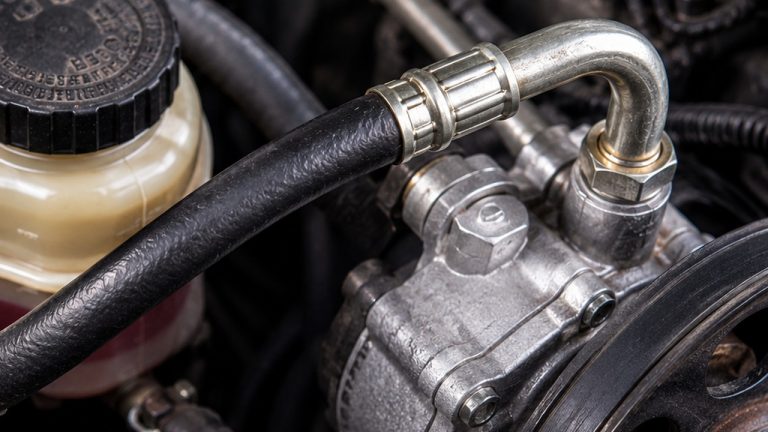
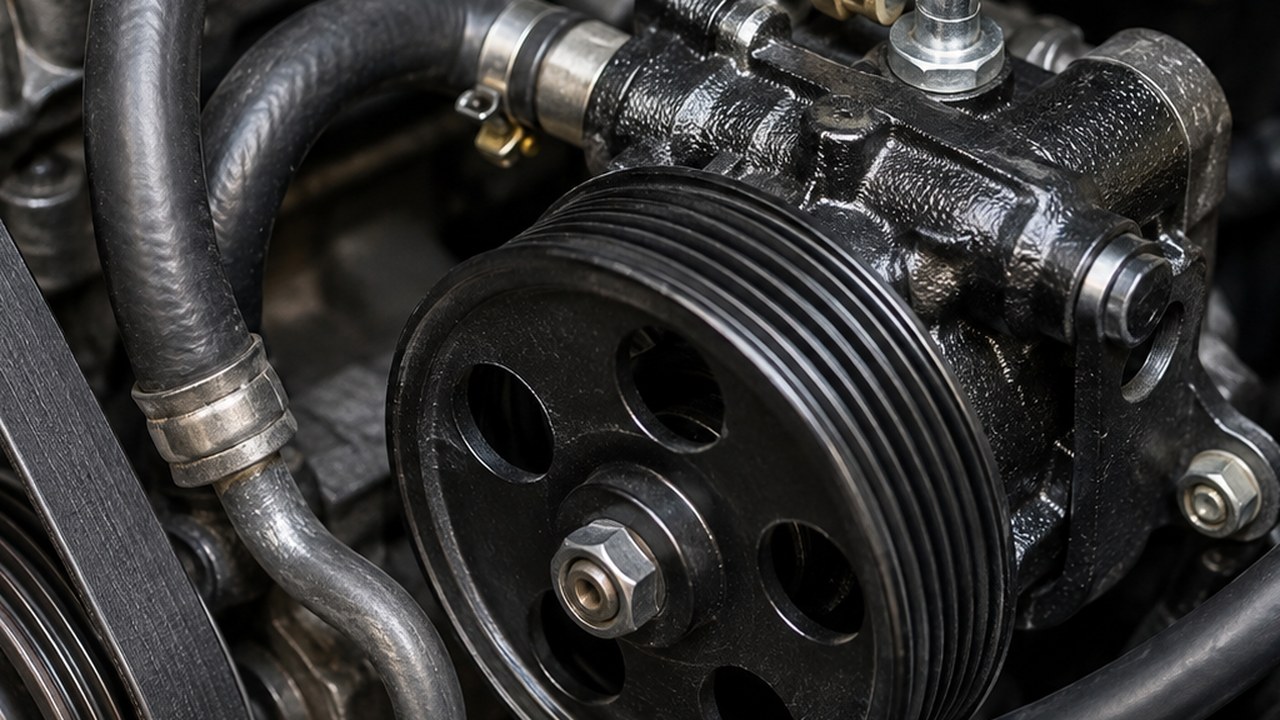
On a hydraulic power steering system, the pump circulates and pressurizes steering fluid. That hydraulic pressure assists the steering gear so the driver does not have to provide all the force needed to turn the front wheels.
Most conventional pumps are driven by the engine through a serpentine or accessory belt. The system also contains a reservoir, pressure and return lines, and a hydraulic steering rack or steering gear.
This is different from a fully electric power steering system. A vehicle with pure electric power steering uses an electric motor for assistance and may have no hydraulic fluid or conventional power steering pump at all.
Whining Does Not Automatically Mean the Pump Is Bad
A power steering whine is one of the most common reasons owners suspect the pump, but replacing the pump should not be the first diagnostic step.
Common causes of whining include:
- low power steering fluid
- air trapped in the hydraulic system
- a slipping or worn drive belt
- restricted fluid flow
- a worn pump bearing or internal pump damage
- a leak elsewhere that has allowed the fluid level to fall
Air in the fluid can cause cavitation inside the pump. The bubbles repeatedly form and collapse as the pump operates, producing a characteristic whining noise even when the pump itself was not the original cause of the problem.
Heavy Steering Has More Than One Possible Cause
A weak pump can make the steering noticeably heavier, particularly while parking or turning at low speed. But low hydraulic pressure is not always caused by a failed pump.
Low fluid, a restricted hose, belt problems or faults inside the steering rack can create similar complaints.
If the diagnosis points to the steering gear rather than the pump, see our rack and pinion replacement cost guide. Replacing the rack and replacing the hydraulic pump are separate repairs even though both can affect steering assistance.
Where Is the Power Steering Fluid Going?
If the reservoir is low, find the leak before assuming the pump itself must be replaced.
Hydraulic fluid can escape from several places:
- pump shaft or housing seals
- pressure hose
- return hose
- hose connections and O-rings
- fluid reservoir or reservoir hose
- steering rack seals
A wet pump housing can support a pump diagnosis, but fluid sprayed around an engine bay can travel. The leak source should be traced rather than identified only by where the fluid eventually drips. If the leak comes from a hydraulic line rather than the pump, see our power steering hose replacement cost guide.
Parts Cost: New, Remanufactured or Rebuilt Pump?
Power steering pumps are sold at very different price points.
A new OEM pump may cost several times more than a remanufactured unit. Aftermarket new pumps can sit somewhere in between depending on brand and application.
A professionally remanufactured pump can be a reasonable option on an older hydraulic system, but the supplier and warranty matter. Since replacing the pump also involves fluid, labor and bleeding the system, a cheap unit that fails early can become expensive quickly.
When comparing two repair estimates, ask for the manufacturer and part number rather than assuming both shops are installing equivalent pumps.
Why Labor Can Range From Simple to Frustrating
On an accessible engine, the basic job is fairly direct. The technician drains or controls the fluid, releases the drive belt, disconnects the hydraulic lines, removes the pump and installs the replacement.
But packaging varies dramatically between vehicles. Engine mounts, accessory brackets, air-conditioning components or tight transverse-engine bays can make the pump much harder to reach.
The replacement pump may also arrive without a pulley. In that case, the pulley has to be removed from the old pump and installed onto the new one with the correct puller and installer rather than hammered or pressed on incorrectly.
Does the Pulley Come With a New Power Steering Pump?
Not always.
Some replacement pumps include a pulley, while others require the original pulley to be transferred. That is why a pump pulley appearing separately on an estimate does not necessarily mean the shop is charging twice for the same part.
If the old pulley is bent, cracked, damaged at the hub or responsible for belt misalignment, replacing it can be justified. Otherwise, a serviceable pulley may simply be reused.
Should the Reservoir Be Replaced Too?
Some vehicles use a reservoir integrated with the pump; others use a separate plastic reservoir connected by hoses.
A reservoir can become cracked, contaminated or restricted, and some designs incorporate internal filtration that is not separately serviceable.
That does not mean every pump replacement requires a new reservoir. Ask whether the reservoir is being replaced because of its design or condition rather than treating it as an automatic add-on.
The System Has to Be Bled After the Pump Is Replaced
Installing the pump is not the final step.
Opening the hydraulic system introduces air. After the new pump is fitted, the correct fluid must be added and the system has to be bled so trapped air can escape.
If air remains in the system, the new pump can whine, steering assistance can feel inconsistent and the fluid may foam in the reservoir.
That is important because a newly installed pump that still makes noise is not automatically defective. An incomplete bleeding procedure can produce symptoms that look very similar to pump failure.
Should the Power Steering Fluid Be Flushed?
At minimum, the system will lose some fluid during pump replacement and needs to be refilled with the correct specification.
If the old pump failed internally and contaminated the fluid with metallic debris, simply installing a new pump into dirty fluid can jeopardize the replacement.
In that situation, cleaning or flushing the hydraulic circuit may be appropriate. The exact procedure and fluid specification should follow the vehicle and pump manufacturer’s requirements.
Do You Need an Alignment After Power Steering Pump Replacement?
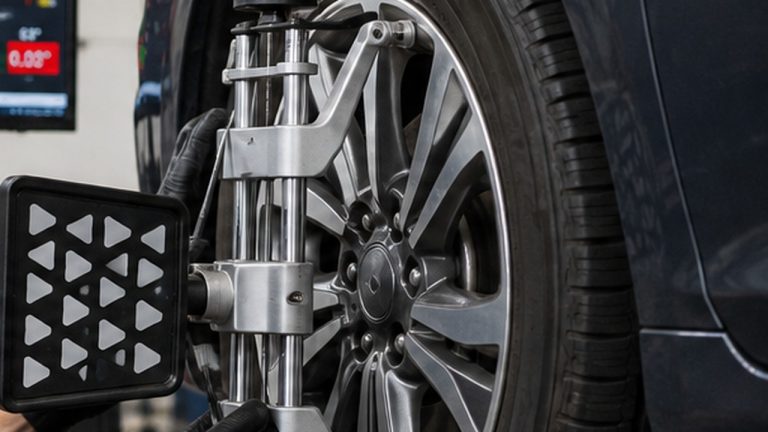
Normally, no. Replacing a hydraulic power steering pump does not usually alter toe, camber or caster because the pump is not part of the wheel-positioning suspension geometry.
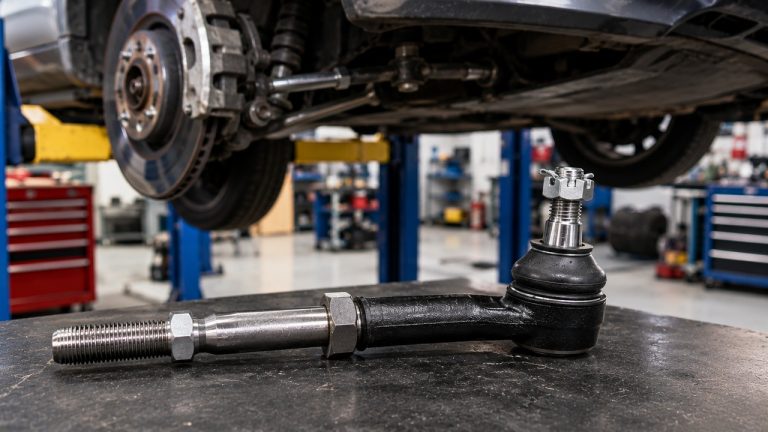
This differs from replacing a steering rack or tie rod, where components directly involved in toe adjustment are disturbed.
If an alignment appears on a pump-only estimate, ask why it is being recommended. It may be justified because of another repair or an existing alignment problem, but it is not normally required solely because the pump was changed.
Our alignment after suspension repair guide explains which kinds of repairs are more likely to change wheel geometry.
Signs the Pump Itself Is More Likely to Be the Problem
Diagnosis becomes more convincing when several clues point toward the pump rather than one vague symptom.
- persistent whining with the fluid at the correct level
- reduced hydraulic assistance at low speed
- steering assistance that changes with engine speed
- pump bearing noise or pulley play
- a confirmed leak from the pump itself
- low hydraulic pressure when tested correctly
- metal contamination associated with internal pump damage
The entire hydraulic steering system should still be considered before an expensive pump is condemned.
Can You Drive With a Bad Power Steering Pump?
A hydraulic steering system normally retains a mechanical connection between the steering wheel and the road wheels even if hydraulic assistance is lost, but that does not mean pump failure should be ignored.
The steering can become dramatically heavier, especially at parking speeds. An intermittent loss of assistance can also make steering effort unpredictable.
A pump that is seizing mechanically can create an additional concern because many pumps share the serpentine belt with other engine accessories.
If steering effort has increased substantially, the pump is grinding or seizing, fluid is being lost rapidly or assistance is intermittent, the vehicle should be inspected rather than driven normally.
How Long Does Power Steering Pump Replacement Take?
A reasonably accessible pump can often be replaced in roughly one to three labor hours.
More difficult vehicles can take longer if other accessories or brackets block access, hydraulic fittings are seized or the pulley has to be transferred.
Bleeding the hydraulic system and checking carefully for leaks are also part of the completed job rather than optional extra steps.
Can You Replace a Power Steering Pump Yourself?
On an accessible older vehicle, power steering pump replacement can be an achievable job for an experienced DIYer.
The work may require a pulley remover and installer, line wrenches, correct fluid, a torque wrench and a reliable procedure for bleeding the steering system.
Hydraulic fittings can be easily damaged if the wrong tools are used, and installing a pulley incorrectly can damage the new pump shaft or cause belt misalignment.
Vehicle-specific instructions matter. Do not assume a generic bleeding or fluid procedure applies to every hydraulic steering system.
Why Your Quote May Be Much Higher Than Expected
A power steering pump estimate can rise quickly for reasons that have little to do with the amount of fluid in the system.
- expensive OEM pump
- poor access in a tightly packaged engine bay
- pulley transfer or pulley replacement
- new reservoir or contaminated hydraulic system
- leaking pressure or return hoses
- seized fittings or brackets
- additional belt or tensioner repairs
- fluid flushing and bleeding work
If the estimate contains several unrelated steering or suspension repairs, our car suspension repair cost guide can help you separate the individual line items before comparing the total bill.
How to Compare Two Power Steering Pump Quotes
Before deciding that one shop is simply more expensive, check whether both estimates include the same repair:
- Is the pump new, OEM, aftermarket or remanufactured?
- Does the pump include a pulley or reservoir?
- Are any pressure or return hoses being replaced?
- Is fresh manufacturer-approved steering fluid included?
- Does the price include bleeding or flushing the hydraulic system?
- Has the shop confirmed that the pump—not the rack, belt or hose—is the actual failure?
- What warranty applies to the replacement pump and labor?
Frequently Asked Questions
How much does power steering pump replacement cost?
About $600 to $1,100 is a useful planning range for many U.S. vehicles. Current national estimates are around $830 to $930, while some applications cost roughly $500 and others exceed $1,400.
How much does a power steering pump cost by itself?
Replacement pumps commonly range from a few hundred dollars to well above $700 depending on the vehicle and whether the unit is new OEM, aftermarket or remanufactured.
Can low power steering fluid sound like a bad pump?
Yes. Low fluid can introduce air and cause the pump to whine or groan. The source of the fluid loss should be found before replacing the pump.
Can air in the power steering system make the pump whine?
Yes. Trapped air can cause cavitation and foaming, producing noise and inconsistent assistance. The system needs to be bled correctly after it has been opened.
Does a power steering pump replacement require an alignment?
Normally not. The hydraulic pump does not set wheel alignment angles. An alignment may still be appropriate if another steering or suspension repair was performed at the same time.
How long does it take to replace a power steering pump?
An accessible pump commonly takes around one to three labor hours. Tight engine packaging, pulley transfer, seized fittings and related hose repairs can increase the time.
Can you drive with a failing power steering pump?
The steering may remain mechanically connected, but losing hydraulic assistance can make the vehicle much harder to steer at low speeds. Significant, intermittent or rapidly worsening symptoms should be inspected promptly.
Do electric power steering cars have a power steering pump?
A fully electric power steering system does not use a conventional hydraulic pump or power steering fluid. Electric assist may come from a motor on the steering column or steering rack instead.
Do Not Buy a Pump Until the System Has Been Diagnosed
A power steering pump can be one of the more expensive parts in a hydraulic steering system, which makes diagnosis worth the effort. Whining, heavy steering and low fluid are clues, not proof that the pump itself has failed.
Check the fluid level, leak source, belt, hoses and steering rack before approving a replacement. If the pump is confirmed bad, compare the actual pump being installed, related parts, labor access, fluid service and warranty—not just the final number at the bottom of the estimate.