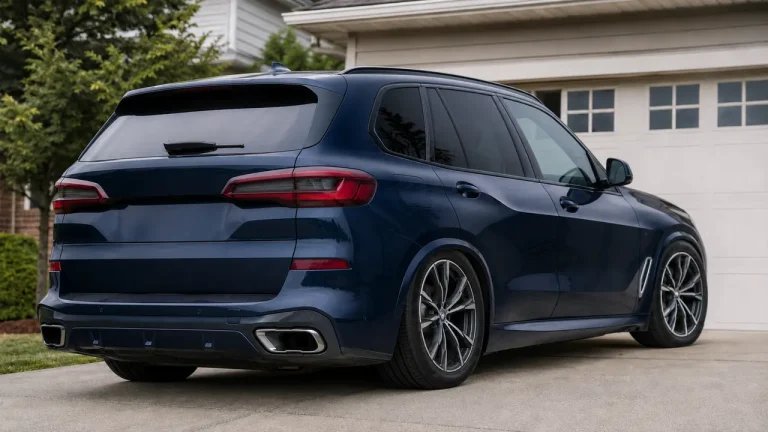
Is Air Suspension Good for Off-Roading? 4×4 Pros and Cons
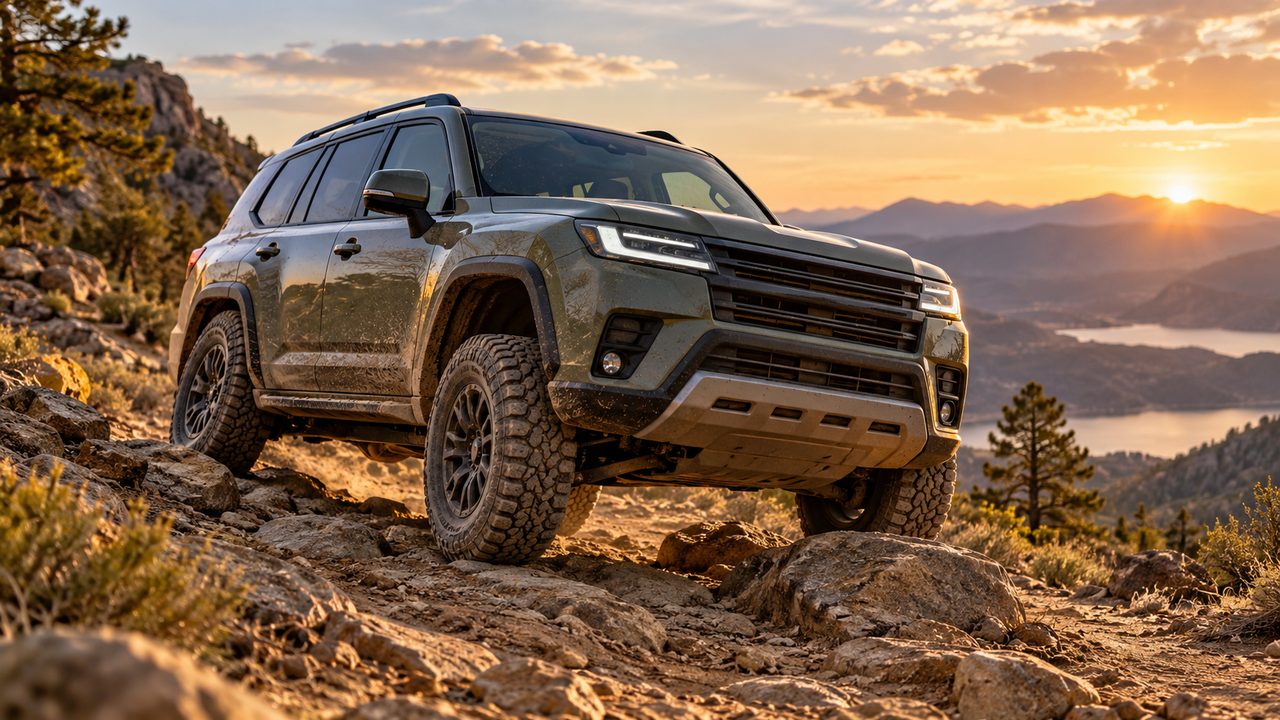
Air suspension can be very good for off-roading when it is engineered for the vehicle. A factory four-corner system can increase ground clearance, maintain ride height under changing loads and provide a comfortable ride on uneven trails. However, it is more complex and potentially more expensive to repair than coil or leaf springs.
It is not automatically the best choice for every 4×4. Factory air suspension works well for daily driving, towing, overlanding and moderate off-road use. For remote expeditions, extreme rock crawling or a simple trail vehicle that must be easy to repair, conventional springs may be the safer choice.
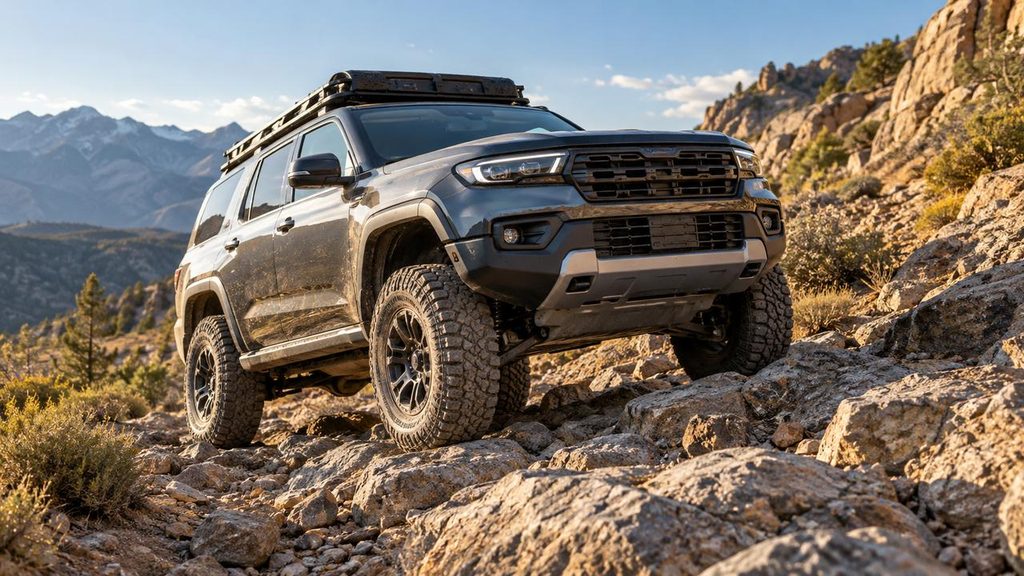
Quick Verdict: Is Air Suspension Good for a 4×4?
Whether air suspension is the right choice depends on the terrain, vehicle design and distance from repair facilities. Here is how it compares across common 4×4 uses:
| How You Use Your 4×4 | Is Air Suspension a Good Choice? |
|---|---|
| Daily driving and occasional trails | Yes, especially with a factory system |
| Towing or carrying changing loads | Yes, load leveling is a major advantage |
| Overlanding | Potentially, but reliability and repair access matter |
| Sand, gravel and forest roads | Usually suitable when operated correctly |
| Deep ruts and technical trails | Depends on suspension travel, protection and vehicle design |
| Extreme rock crawling | Coils may offer a simpler and more easily modified setup |
| Remote travel far from repair facilities | Consider the consequences of an air-system failure |
Three Types of Air Suspension Used on 4×4 Vehicles
The phrase “air suspension” can describe several different systems. They should not be treated as interchangeable.
1. Factory Four-Corner Air Suspension
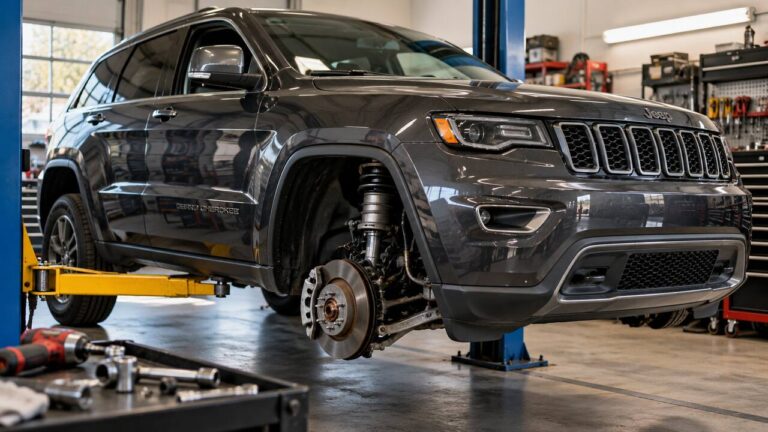
Vehicles such as certain Jeep Grand Cherokee, Wagoneer, Range Rover and Land Rover models use air springs at all four corners. The system is integrated with the vehicle’s electronics, height sensors and drive modes.
Depending on the model, it can raise the body for additional obstacle clearance, lower it for easier entry or highway driving and automatically maintain the intended ride height as the load changes.
2. Rear Helper Air Springs
Helper bags supplement the vehicle’s existing coil or leaf springs. They are commonly installed on trucks and SUVs that tow trailers or carry heavy camping equipment.
Their main purpose is to reduce rear sag and restore a level stance under load. They do not normally convert the vehicle into a four-corner adjustable suspension, increase its legal payload or automatically create more wheel travel.
3. Custom Full Air Suspension
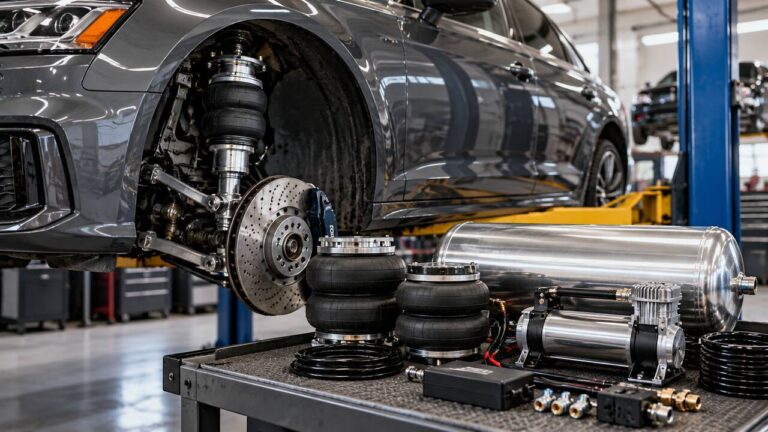
A custom full air-suspension system typically replaces conventional springs with air springs and uses a compressor, air lines, valves and controls. Many systems also include a storage tank, although not all require one. Its off-road performance depends on the design, available suspension travel, damper tuning, air-line protection and installation quality.
A street or show-car air suspension kit should not be assumed to withstand off-road use merely because it can raise the vehicle.
Benefits of Air Suspension Off Road
A properly designed off-road air suspension offers several practical advantages, particularly for vehicles used on both highways and trails.
Adjustable Ground Clearance
An adjustable factory system can raise the vehicle when additional clearance is needed under the body. This can improve the approach, breakover or departure capability of a correctly designed 4×4.
For example, the 2022 Wagoneer owner’s manual describes Quadra-Lift’s Off-Road 1 and Off-Road 2 settings. It also recommends using the lowest usable height that clears the terrain, raising the suspension further only when necessary.
Extra body clearance does not increase the clearance beneath a solid axle’s differential, which is determined mainly by tire size. It also does not guarantee better wheel articulation.
Automatic Load Leveling
A self-leveling system can compensate for passengers, recovery equipment, camping supplies or trailer tongue weight by restoring the intended ride height. This helps preserve suspension travel, steering geometry and headlight aim.
Load leveling does not increase the manufacturer’s payload, axle ratings, tire ratings or gross vehicle weight rating. Those limits still apply.
Comfort on Uneven Roads
A well-engineered air suspension can provide a controlled and comfortable ride on washboard roads, gravel and broken surfaces. Ride quality still depends on the dampers, tires, operating height, air pressure and available suspension travel. Air springs alone do not guarantee a soft ride.
Adaptability
A factory system can offer a practical normal height for everyday use and a raised setting for obstacles. This flexibility is useful for drivers who use the same vehicle for commuting, towing and recreational trails.
Air Suspension Disadvantages Off Road
Despite these advantages, air suspension introduces potential problems that deserve extra consideration when traveling over rough terrain or far from repair facilities.
More Components Can Fail
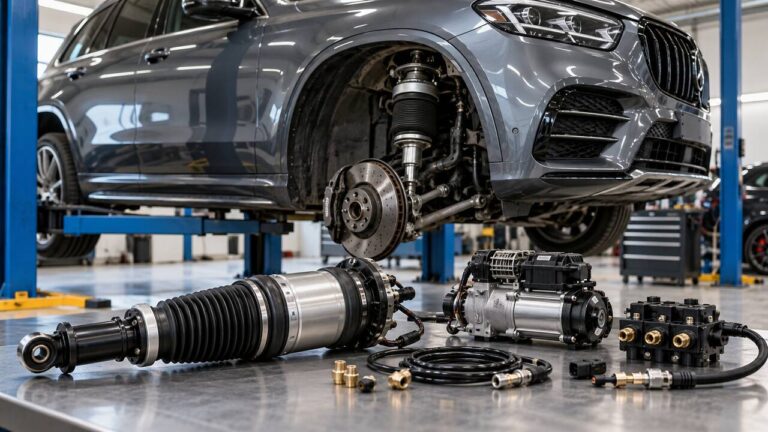
A four-corner air suspension can include air springs, a compressor, reservoir, valve block, height sensors, air lines, fittings, wiring and a control module. A problem in any of these areas can prevent the vehicle from maintaining its correct height.
Conventional coil and leaf springs are mechanically simpler and may be easier to diagnose or repair far from a specialist workshop.
Air Lines and Bags Need Protection
Air lines must be routed away from exhaust heat, sharp edges and moving suspension parts. Air springs also need sufficient clearance from tires, brackets, rocks and accumulated debris throughout the suspension’s movement.
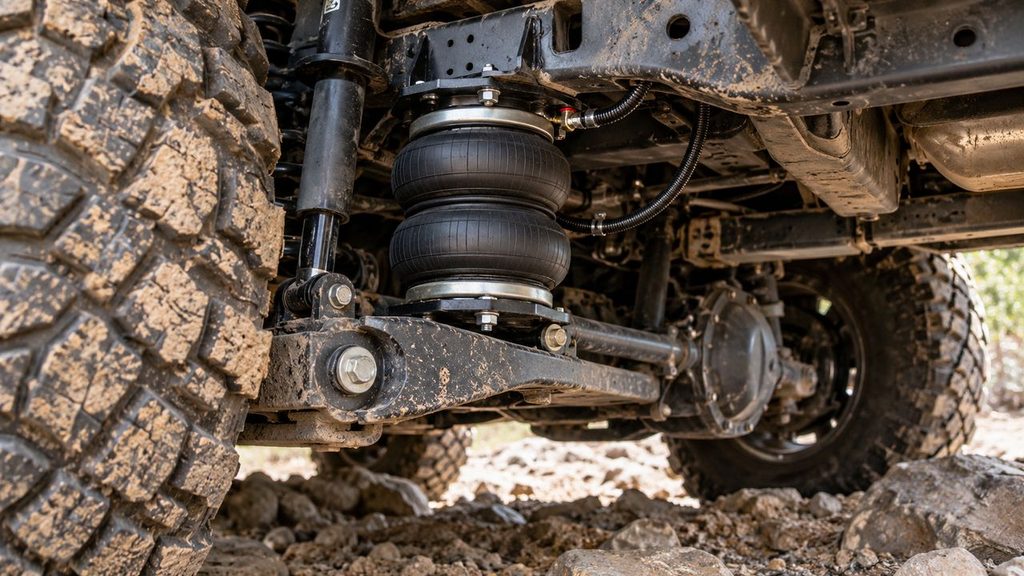
A damaged line or leaking fitting may cause the vehicle to sink or make the compressor run excessively. Our air suspension leak guide explains how leaks are identified and when professional repair is appropriate.
Maximum Height Is Not Always the Best Setting
Raising an air-suspended vehicle to its highest setting may reduce usable downward wheel travel or produce a firmer response, depending on the suspension design. It can also trigger a lower speed limit imposed by the manufacturer.
Use only the height necessary to clear the current obstacle. Follow the vehicle’s owner’s manual because permitted speeds and automatic height changes vary by model.
Repair Costs Can Be Higher
A damaged coil spring is not the only possible expense in a conventional suspension, but air systems introduce additional components and diagnostic requirements. Replacing an air strut, compressor or valve block can be costly, particularly on an older luxury 4×4.
Cold, Moisture and Contamination
Temperature changes can expose weak seals or existing leaks. Moisture in an aftermarket air-management system can also affect valves, the tank and compressor if the system is not correctly drained and maintained.
Does Air Suspension Improve Off-Road Articulation?
Not necessarily. Articulation is the suspension’s ability to let one wheel rise while another moves downward, helping the tires remain in contact with uneven ground. It depends on suspension geometry, shock length, control arms, anti-roll bars, air-spring design and available compression and droop travel.
Increasing ride height does not automatically increase suspension travel. Some purpose-designed factory systems manage height and wheel movement effectively, while a poorly designed conversion may limit droop or operate too close to its travel limits.
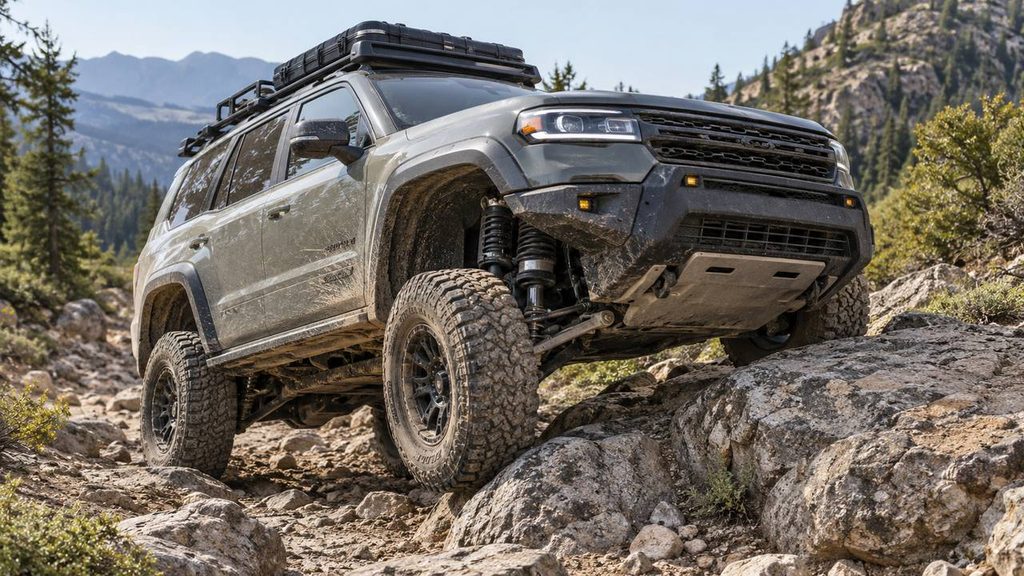
Air Suspension vs. Coil Springs for Off-Roading
Both air suspension and conventional coil springs can perform well off road. Their differences become more important when considering adjustability, mechanical complexity and repairs in remote locations:
| Feature | Air Suspension | Coil Springs |
|---|---|---|
| Adjustable ride height | Available on a full height-adjustable system | Normally fixed without mechanical adjustment |
| Load leveling | Excellent when the system is designed for it | May sag unless spring rate or helper devices are changed |
| Mechanical simplicity | More components and electronics | Simpler construction |
| Trail repair | Can require model-specific parts or diagnostics | Often easier to understand and repair |
| Ride comfort | Can be excellent when properly tuned | Can also be excellent with suitable springs and dampers |
| Extreme modifications | More difficult to engineer correctly | Strong aftermarket support for many 4×4 platforms |
| Remote expedition use | Requires a failure and recovery plan | Often preferred for simplicity |
Neither design is universally superior. A factory Range Rover or Jeep system engineered for off-road use is very different from a universal aftermarket air kit. Likewise, a poorly matched coil-spring lift can perform worse than a properly maintained factory air suspension.
Are Helper Air Bags Good for Off-Roading?
Helper air bags can be useful when a truck or SUV carries camping equipment or tows a trailer. Correct pressure can reduce sag and improve stability under load. However, excessive pressure can make the rear suspension feel harsh and may reduce articulation.
Pressure requirements are kit-specific. Air Lift advises maintaining the required minimum pressure in its helper springs during off-road use, including when a bag extends as the axle articulates. Always use the instructions supplied with the exact kit rather than applying a universal pressure. Air bags must not act as the suspension travel limiter when the axle reaches full extension.
Helper bags must never be used to exceed the vehicle’s rated payload or towing limits.
When Air Suspension Makes Sense on a 4×4
Air suspension is particularly worth considering when your 4×4 needs to handle several different jobs rather than being dedicated exclusively to difficult trails:
- You want adjustable clearance without permanently lifting the vehicle.
- You regularly alternate between highway driving and moderate trails.
- You carry loads that vary significantly from one trip to another.
- You tow and need the vehicle to remain level within its rated limits.
- The vehicle has a factory system specifically engineered for off-road use.
- You are prepared to maintain and repair the additional components.
When Conventional Springs May Be Better
Conventional springs may be the more practical option when durability, straightforward repairs and suspension modifications matter more than adjustable ride height:
- You frequently travel far from workshops or replacement parts.
- Your priority is extreme articulation or rock crawling.
- You want the simplest possible suspension system.
- You plan extensive lifts or suspension-geometry modifications.
- You are buying an older 4×4 and cannot verify the air suspension’s condition.
- Your budget cannot accommodate a compressor, air spring or valve-system repair.
Off-Road Air Suspension Checklist
Before taking an air-suspended 4×4 onto the trail, review these eight checks. Perform visual inspections with the vehicle safely parked, and never crawl underneath one supported only by a jack or its air suspension:
- Read the owner’s manual: Confirm the correct off-road height and its speed limitations.
- Check the vehicle’s stance: One low corner after parking may indicate an air leak.
- Listen to the compressor: Unusually frequent or prolonged operation deserves investigation.
- Inspect exposed components: Look for damaged air lines, loose fittings and debris around the air springs.
- Use the lowest sufficient height: Raise the vehicle only as much as the obstacle requires.
- Do not overload the vehicle: Self-leveling does not change weight ratings.
- Carry a recovery plan: Know what the manufacturer recommends if the vehicle becomes stuck at an incorrect height.
- Inspect after difficult trails: Check for contact damage, leaks and warning messages before returning to highway speeds.
If you are comparing complete aftermarket options rather than a factory system, our guide to the best off-road suspension brands explains how to match a suspension to the vehicle and terrain.
Frequently Asked Questions
Is air suspension reliable off road?
It can be reliable when it is factory-engineered or professionally installed and properly maintained. Reliability depends on the system, age, component protection, terrain and availability of repairs. It has more potential failure points than conventional springs.
Does raising air suspension increase ground clearance?
It can increase clearance beneath the body and improve some off-road angles. On a solid-axle vehicle, it does not raise the axle differential farther from the ground; larger tires are generally required to change that measurement.
Should you use the highest suspension setting off road?
Only when the terrain requires it. The highest position may have a low speed limit and can affect suspension travel or ride quality. Follow the vehicle manufacturer’s instructions.
Are air bags good for towing a 4×4?
Helper air bags can reduce rear sag and restore the intended ride height when towing within the vehicle’s limits. They do not increase payload, axle, hitch, tire or towing ratings.
Can you convert a coil-spring 4×4 to air suspension?
Vehicle-specific conversions exist for some models, but a safe system requires correctly engineered mounts, dampers, travel limits, air management and protected plumbing. A universal street kit should not be treated as an off-road conversion.
Can you drive with failed air suspension?
Do not continue driving normally if the vehicle is extremely low, a tire can contact the body, steering or braking has changed, or a stop-driving warning appears. Follow the owner’s manual and use a flatbed when safe operation is uncertain.
Choosing Air Suspension for Your 4×4
Air suspension is a strong option for a multipurpose 4×4 that combines road use, towing and moderate off-roading. Adjustable clearance and load leveling provide real benefits when the system is designed for the vehicle.
For extreme terrain or remote travel, conventional coils or leaf springs may be preferable because they are simpler and often easier to modify or repair. Base the decision on the complete suspension design and intended use—not on the assumption that air is always more comfortable or that a higher setting automatically creates better off-road performance.