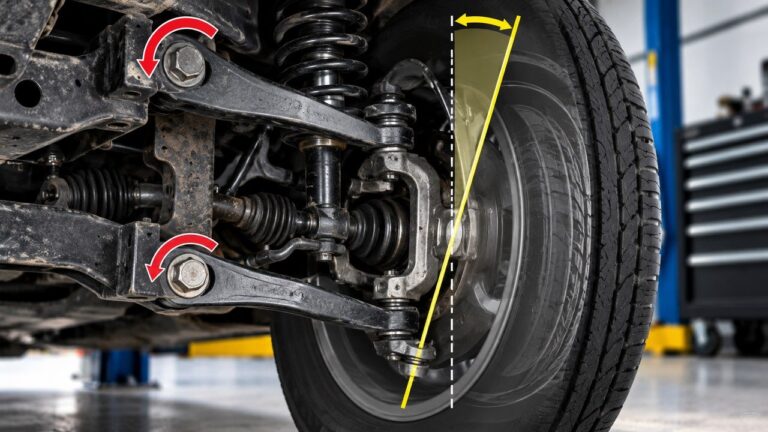
Tire Size Comparison Charts & Calculator
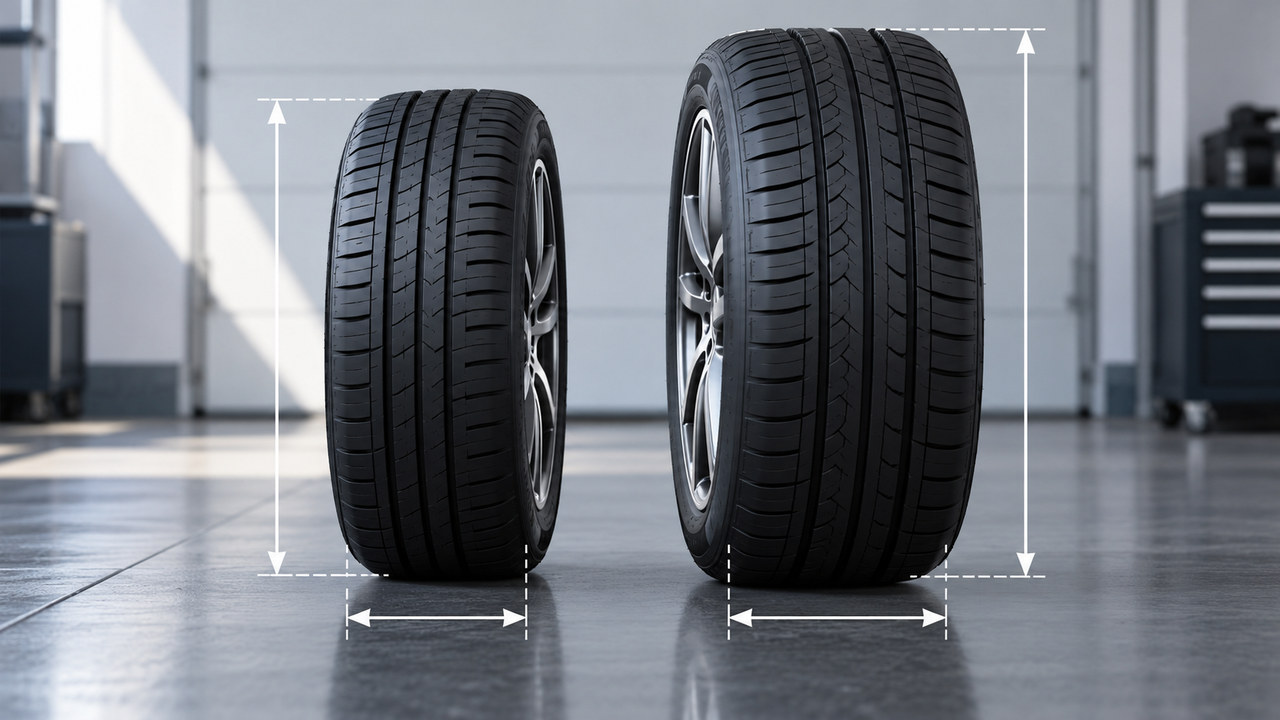
Use the tire size comparison charts and calculator below to see what changes when you switch from one tire size to another. Enter your current size and the size you’re considering to compare overall diameter, section width, sidewall height, revolutions per mile, and the speedometer difference. The tool also shows both tires drawn to the same scale.
Here’s the useful part: two sizes that sound similar can have different rolling diameters, while tires with different wheel diameters can end up almost the same height. These are calculated nominal dimensions, not a promise that a particular tire will fit your wheels or clear your suspension.
Tire Size Comparison Calculator
Enter the two sizes printed on the sidewalls, then select Compare tires. Standard metric sizes such as 265/70R17, P225/65R17 and LT285/75R16 work, as do flotation sizes such as 33x12.50R17. The first size is your baseline for the percentage and speedometer calculations.
Examples: 205/55R16 · 265/70R17 · LT285/75R16 · 33×12.50R17. Metric and flotation sizes only; temporary spares and older numeric sizing systems aren’t supported.
Difference at a glance
*Assumes the speedometer was accurate with the original tires and has not been recalibrated.
Side-by-side tire measurements
| Measurement | Current | New | Change |
|---|
Tire diameters drawn to the same scale
Schematic front view based on nominal overall and wheel diameters; it does not show tread shape, offset, suspension clearance, or actual tire deformation under load.
Tire Size Comparison Charts by Wheel Diameter
These charts group common passenger-car, SUV and light-truck sizes by wheel diameter. They’re useful when you’re browsing alternatives but don’t yet know what to type into the calculator. Every dimension shown is derived from the size code, with rounding to two decimal places; the same labeled size can measure differently across manufacturers.
16- and 17-Inch Tire Size Chart
A 16- or 17-inch wheel can carry tires with very different overall diameters. Compare the diameter column first, then look at section width. The width printed on a metric tire is nominal, not its exact tread width.
| Tire size | Wheel | Calculated diameter | Nominal section width |
|---|---|---|---|
| 205/55R16 | 16 in | 24.88 in | 8.07 in |
| 235/85R16 | 16 in | 31.73 in | 9.25 in |
| 265/75R16 | 16 in | 31.65 in | 10.43 in |
| 285/75R16 | 16 in | 32.83 in | 11.22 in |
| 225/65R17 | 17 in | 28.52 in | 8.86 in |
| 245/70R17 | 17 in | 30.50 in | 9.65 in |
| 265/70R17 | 17 in | 31.61 in | 10.43 in |
| 275/70R17 | 17 in | 32.16 in | 10.83 in |
| 285/70R17 | 17 in | 32.71 in | 11.22 in |
| 285/75R17 | 17 in | 33.83 in | 11.22 in |
| 315/70R17 | 17 in | 34.36 in | 12.40 in |
18- and 20-Inch Tire Diameter Chart
The larger wheel does not automatically make the complete tire taller. For example, a 275/60R20 is close to 33 inches in calculated diameter, while a 275/70R18 comes out slightly taller despite the smaller wheel.
| Tire size | Wheel | Calculated diameter | Nominal section width |
|---|---|---|---|
| 265/60R18 | 18 in | 30.52 in | 10.43 in |
| 275/65R18 | 18 in | 32.07 in | 10.83 in |
| 285/65R18 | 18 in | 32.59 in | 11.22 in |
| 275/70R18 | 18 in | 33.16 in | 10.83 in |
| 295/70R18 | 18 in | 34.26 in | 11.61 in |
| 275/55R20 | 20 in | 31.91 in | 10.83 in |
| 285/55R20 | 20 in | 32.34 in | 11.22 in |
| 275/60R20 | 20 in | 32.99 in | 10.83 in |
| 305/55R20 | 20 in | 33.21 in | 12.01 in |
What About 33-, 35- and 37-Inch Tire Sizes?
Flotation sizes such as 33x12.50R17, 35x12.50R17 and 37x12.50R17 use nominal tire diameter and width in inches. In the calculator, their nominal diameters are 33, 35 and 37 inches respectively. Their actual published dimensions can differ, so don’t treat those numbers as measured tire height. If you’re deciding which size makes sense for your truck rather than calculating the dimensions, our 33 vs. 35 vs. 37 tire comparison covers the tradeoffs separately.
How to Read the Tire Size You Enter
Take 265/70R17. The first number is nominal section width in millimeters (265), the second is sidewall height as a percentage of that width (70%), and the number after R identifies a 17-inch wheel. R means radial construction; it does not stand for radius. The P or LT prefix on some tires identifies a sizing or service category, not an extra measurement added to the diameter formula.
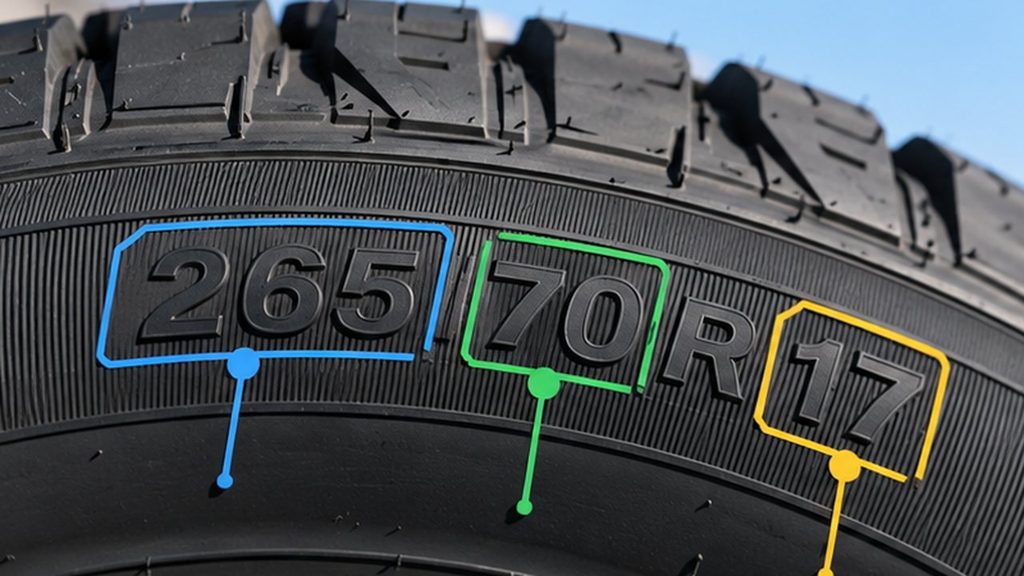
Using those numbers, the sidewall is 185.5 mm high. Double that, add the 17-inch wheel diameter, and the calculated overall tire diameter is 31.61 inches. That is the geometry behind the chart, not a physical measurement of a mounted tire.
What Changes When You Compare Two Tire Sizes?
Try 265/70R17 versus 285/70R17 in the tool. The proposed tire is 20 mm wider by its nominal section-width code, but the change in sidewall height also makes it about 1.10 inches taller overall. That difference affects more than the way it looks in the wheel well.
Diameter, Ride Height and Clearance
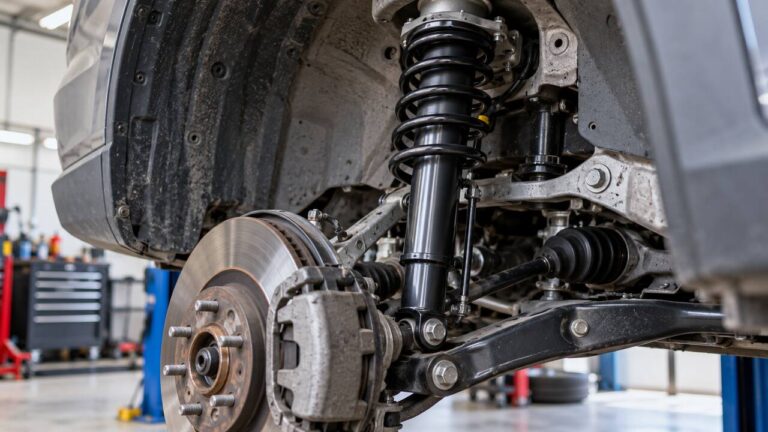
Dividing the diameter difference by two gives the approximate change in tire radius. Here, that is about 0.55 inch of additional hub height on level ground, assuming the tires behave like their nominal geometry. It doesn’t mean every part of the underbody gains exactly 0.55 inch. Tire deflection, suspension layout and loading all matter.
Speedometer Error and Revolutions per Mile
The 285/70R17 works out roughly 3.5% larger in diameter. If the speedometer was correct on the original 265/70R17 tires and nothing is recalibrated, an indicated 60 mph would correspond to approximately 62.1 mph on the new size. The calculator uses the ratio of the two nominal diameters; real-world speed depends on loaded rolling circumference and vehicle calibration.
The revolutions-per-mile row is theoretical too. A real tire deforms under load, so a tire manufacturer’s published revolutions-per-mile figure can differ from a number calculated with circumference alone.
Section Width Is Not Wheel Fitment
Two tires marked 285 can have different measured section widths, tread widths and shoulder shapes. Rim width also affects a tire’s mounted profile. The calculator can’t see how close the sidewall sits to an upper control arm or fender liner. For wheel-position changes, use our wheel offset and backspacing calculator; it handles wheel geometry, not tire diameter.
Before Installing a Different Tire Size
A close diameter match is a useful starting point, not approval to install a tire. Check the vehicle’s tire-and-loading placard and the tire manufacturer’s specifications before ordering an alternate size.
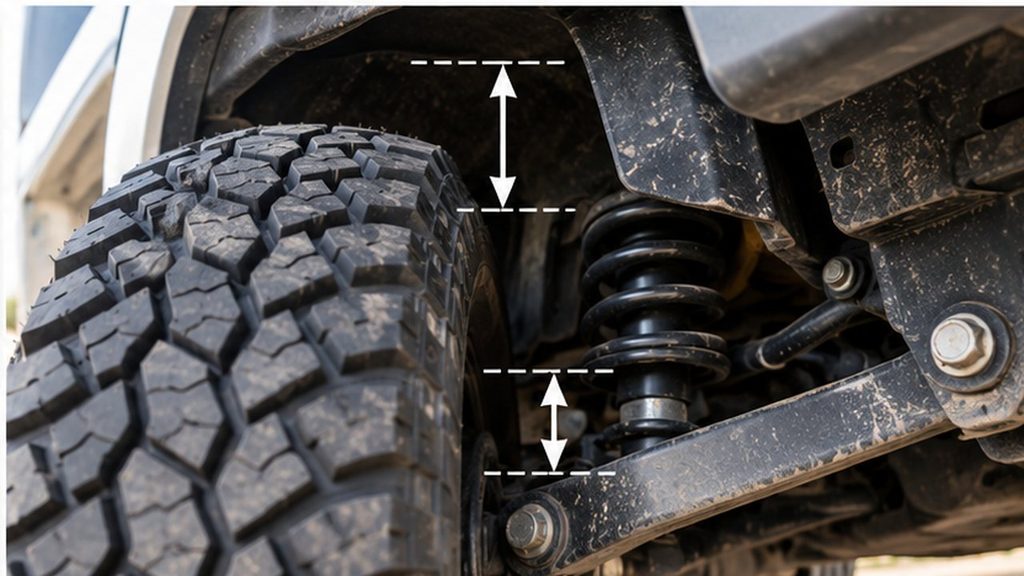
- Wheel compatibility: match the bead-seat diameter exactly and check the tire manufacturer’s approved rim-width range.
- Load and speed requirements: meet the vehicle manufacturer’s load-capacity and speed-rating specifications; the dimensional calculator cannot check them.
- Full-travel clearance: check both steering locks, compression, liners, body mounts, brakes and suspension components—not just the truck parked on level ground.
- Drivetrain and electronics: check the vehicle maker’s rules for tire circumference differences, particularly on AWD/4WD systems, and whether speedometer or other recalibration is necessary.
- Actual size: look up overall diameter, section width and published revolutions per mile for the exact tire model and load construction.
For vehicles moving to larger off-road tires, clearance often depends on more than a suspension lift. Our guide to lift and clearance requirements for 35-inch tires deals with that vehicle-specific question. The U.S. Tire Manufacturers Association’s replacement guidance is also worth checking for load and tire-selection requirements.
Tire Size Comparison FAQs
These are the questions that tend to come up after someone finds two sizes with similar numbers in a chart.
Is a 3% Tire Diameter Difference Always Safe?
No. A difference of around 3% is a common comparison flag, not a universal fitment standard or a vehicle manufacturer’s permission to change sizes. Clearance, tire load capacity, matching across axles and electronic systems can matter even when the calculated difference is small.
Can Two Different Tire Sizes Fit the Same Wheel?
Sometimes. Both sizes must specify the same wheel diameter, and your wheel width must fall within each tire manufacturer’s approved range. Matching 17-inch bead-seat diameters alone does not establish safe compatibility.
Can I Compare 33×12.50R17 With 285/70R17?
Yes. The calculator accepts both flotation and metric sizing. It will compare the flotation tire’s nominal 33-inch diameter with the metric tire’s calculated 32.71-inch diameter. Neither value replaces the manufacturer’s actual mounted-tire specifications.
Why Does the Manufacturer List a Different Diameter?
The size designation describes a nominal size, not an exact tire mold. Construction, tread depth, measuring rim and manufacturer tolerances can change published dimensions. Use the brand’s data sheet when precise clearance is important.
Will the Calculator Tell Me Whether a Bigger Tire Rubs?
No. It can tell you how much taller and wider the proposed size is on paper, but it does not know your wheel offset, suspension design, vehicle load or clearance at full steering lock and suspension compression.
Why a Tire Size Chart Cannot Confirm Wheel-Well Clearance
Use the comparison chart to shortlist sizes, then run the exact pair through the calculator. If the new diameter changes significantly, check speedometer calibration and vehicle-manufacturer restrictions. If the tire is wider, check wheel approval and clearance before making the purchase. The final answer comes from the exact tire’s published specifications and how it fits your vehicle—not a size chart alone.