Coilover Installation Cost: Labor, Alignment & Setup
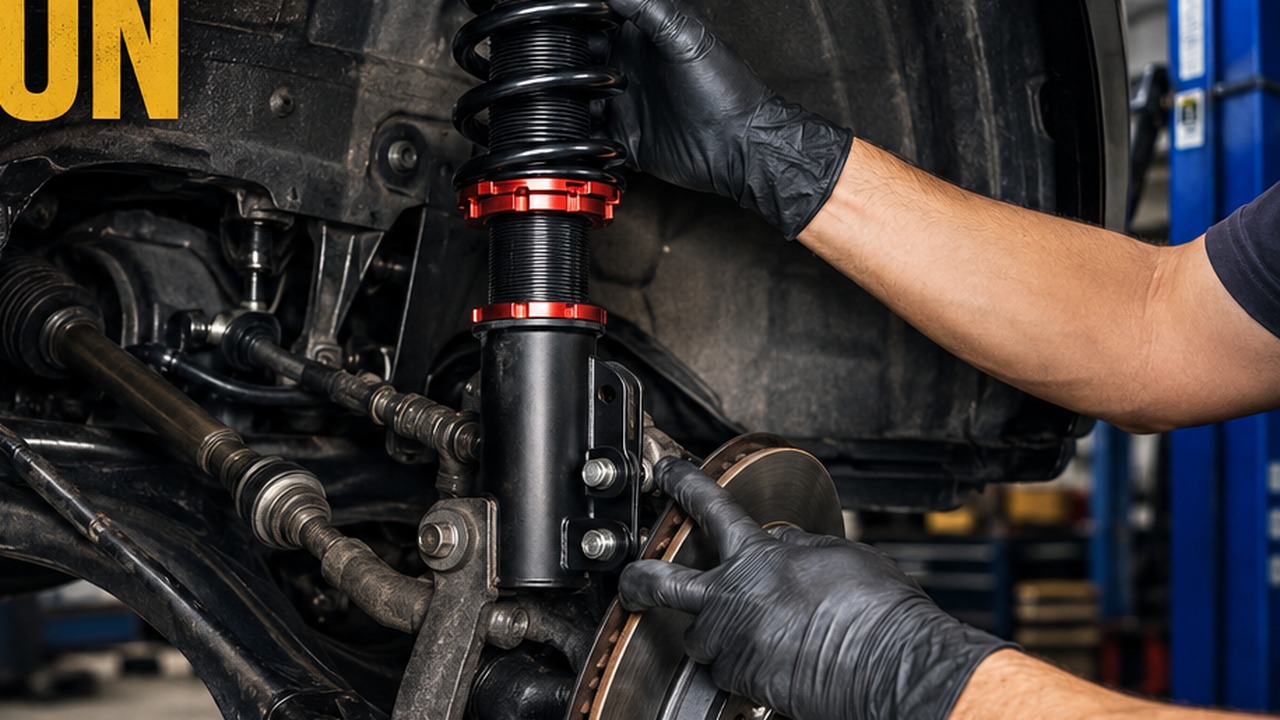
Coilover installation typically costs about $300 to $800 in labor for a straightforward car, while installation plus ride-height setup and alignment can bring the shop bill closer to $500 to $1,000. A more advanced performance setup with corner balancing can reach $900 to $1,400 or more before the price of the coilovers themselves.
The wide range exists because “installing coilovers” can mean very different things. One shop may simply bolt the assemblies in. Another may set ride height, adjust preload or damping, correct alignment and spend additional time making all four corners work as a matched suspension.
Coilover Installation Cost at a Glance
| Service | Typical Planning Range |
|---|---|
| Basic professional coilover installation | About $300–$600 |
| Installation with ride-height setup | About $350–$700 |
| Installation plus alignment | About $500–$1,000 |
| Installation, alignment and corner balancing | About $900–$1,400+ |
| Coilover kit itself | Separate from labor |
Those are budgeting ranges rather than fixed national rates. Vehicle design, local labor prices, seized hardware, adjustable top mounts and the amount of setup requested can move the final quote in either direction.
What Are You Actually Paying the Shop to Do?
A basic coilover job starts by removing the factory wheel, shock or strut and spring arrangement at each corner, then installing the new coilover assemblies and torquing the suspension hardware correctly.
But that is only the mechanical installation.
A complete setup may also involve:
- setting initial ride height
- matching left-to-right height
- setting spring preload where applicable
- adjusting damping to a sensible baseline
- checking wheel and tire clearance
- checking brake hoses and ABS wiring
- performing a wheel alignment
- corner balancing on performance-oriented cars
Two quotes can therefore differ by several hundred dollars while both shops technically advertise “coilover installation.” Ask what is included before comparing the numbers.
Labor Cost Depends Heavily on the Car
Some vehicles make coilover installation relatively straightforward because the factory struts or shocks are easy to access and the replacement units install with little additional disassembly.
Others require removing interior trim to reach rear upper mounts, disconnecting suspension arms, working around electronic dampers or dealing with tightly packaged components.
That difference matters because shops generally price suspension work according to expected labor time rather than simply charging the same amount for every four-corner coilover kit.
Rust Can Turn a Simple Install Into an Expensive One
Age and corrosion are major wild cards.
A coilover kit may bolt onto a newer car without drama, while the same job on an older vehicle can involve seized lower strut bolts, damaged sway bar links or hardware that has to be heated, cut or replaced.
This is one reason a shop may quote additional labor if it finds heavily corroded suspension components after the vehicle is on the lift.
Do Coilovers Need an Alignment After Installation?
Yes. An alignment should be considered part of the coilover installation budget.
Changing ride height changes the suspension’s operating position and can alter toe and camber. Depending on the vehicle, caster may also be affected or require attention during a performance alignment.
Driving with poor alignment can create uneven tire wear and make a freshly upgraded suspension feel worse rather than better.
For current service-price ranges, see our separate wheel alignment cost guide.
Should You Align the Car Immediately or Let Coilovers Settle?
You may hear advice to drive for days or weeks before getting an alignment so the suspension can “settle.” That does not mean you should drive around with obviously incorrect toe in the meantime.
A sensible approach is to establish the intended ride height, have the alignment corrected, then recheck ride height and alignment later if the suspension settles enough to require another adjustment.
If you change the ride height again after the first alignment, the geometry should be checked again.
Ride-Height Setup Is Why the Cheapest Quote Is Not Always Cheapest
Coilovers are attractive partly because they allow you to choose ride height, but adjustment introduces additional setup work.
Installing every coilover at its minimum possible height is not the same thing as properly setting up the suspension.
The installer needs enough suspension travel, tire clearance and usable geometry at the selected height. The car should also sit reasonably even from side to side without using extreme spring adjustments merely to correct cosmetic differences.
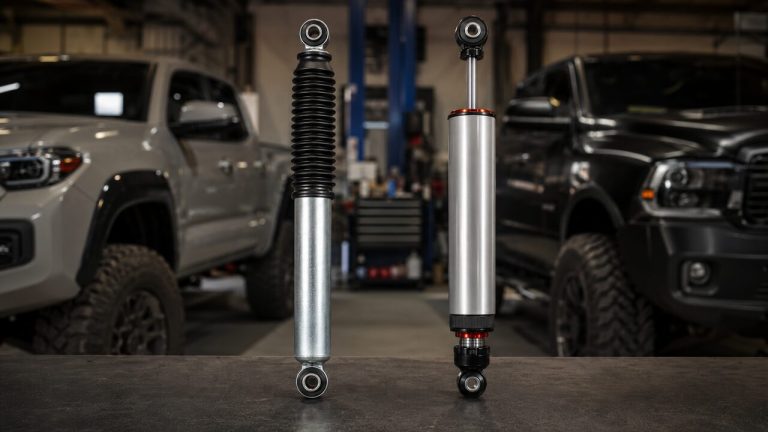
If you are still deciding whether an adjustable coilover system makes sense compared with conventional dampers, our coilovers vs. shocks guide covers that decision separately.
Preload, Ride Height and Damping Are Not the Same Adjustment
This is where inexpensive installation can become expensive setup.
Depending on the coilover design, spring preload and ride height may be adjusted independently. Adjustable dampers can then add separate compression or rebound settings.
Turning every adjustment simply because it exists is not useful. The kit manufacturer’s recommended starting settings are normally the right baseline before small changes are made for the vehicle and intended use.
If the terminology is unfamiliar, our guide to suspension damping explains what the damper is actually controlling.
What Is Corner Balancing?
Corner balancing is different from a standard wheel alignment.
The vehicle is placed on four individual scales so the technician can measure how its weight is distributed across the tires. Adjustable coilovers allow ride-height changes that can be used to refine diagonal weight distribution while maintaining the desired overall stance.
For an ordinary street car, corner balancing is usually optional. For a track-focused car where predictable left-to-right handling matters, it can be a worthwhile part of the setup.
A performance shop may therefore quote significantly more for coilover installation, corner balancing and custom alignment than a general repair shop charges simply to install four assemblies.
Do You Need Camber Arms or Other Alignment Parts?
Not every lowered car can return to the desired alignment specifications using factory adjustment alone.
A modest drop may leave sufficient adjustment range. A much lower ride height can create excessive negative camber or other geometry that requires adjustable control arms, camber plates, eccentric bolts or vehicle-specific correction parts.
Those components are not automatically included with every coilover kit, so they can turn into an additional parts-and-labor expense after installation.
Electronic Suspension Can Add Another Layer
Some vehicles use factory electronically controlled dampers. Replacing those dampers with conventional adjustable coilovers can require electronic cancellation modules or other vehicle-specific solutions to prevent suspension warnings.
This is not an issue on every car, but it is another reason to buy a kit specifically designed for the exact year, model and suspension configuration rather than choosing purely by price.
Should You Buy Coilovers Before Booking Installation?
You can, but confirm fitment and what the kit actually includes first. A low advertised price may exclude top mounts, adjustable camber plates or other hardware that a more complete kit includes.
Check the exact year, make, model, drivetrain and suspension configuration before ordering. Also ask the installer whether they are willing to fit customer-supplied parts and whether that changes their labor warranty.
Always verify vehicle-specific fitment and the included components before ordering suspension parts.
Coilovers vs. Air Suspension Installation
A conventional coilover installation is generally less complex than converting a vehicle to aftermarket air suspension because coilovers do not require an onboard compressor, air tank, valves and air-line plumbing.
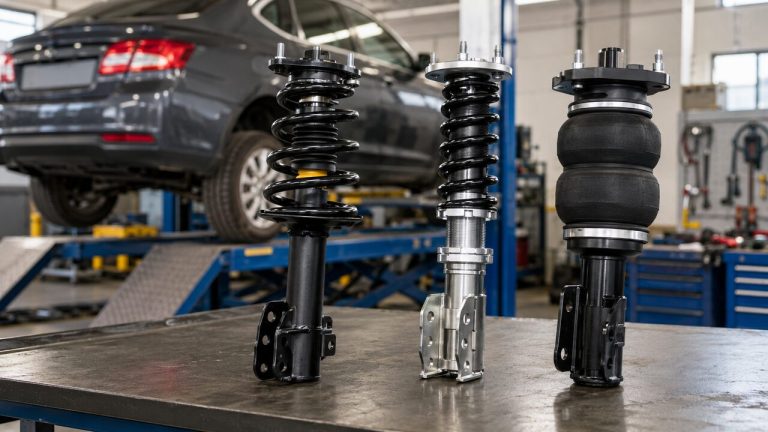
That does not automatically make coilovers the better suspension. They serve different goals. Coilovers are commonly chosen for mechanical simplicity, fixed ride-height adjustment and performance setup, while air suspension offers height adjustment without manually repositioning the suspension.
If those are the two systems you are considering, use our coilovers vs. air suspension comparison rather than treating installation cost as the only deciding factor.
Can You Install Coilovers Yourself?
Experienced DIY mechanics can install many vehicle-specific coilover kits at home, but suspension work requires the vehicle to be securely supported and critical fasteners to be tightened correctly.
The exact job can also involve separating suspension joints, supporting control arms and working with factory springs or strut assemblies during removal.
DIY installation can eliminate several hundred dollars of shop labor, but it does not eliminate the need for professional alignment afterward.
How Long Does Coilover Installation Take?
For a straightforward four-corner installation, several hours is a reasonable expectation. A specialist may complete an uncomplicated car in roughly half a working day.
The job takes longer when rear mounts are difficult to access, bolts are seized, electronic suspension hardware must be addressed or the customer wants detailed ride-height adjustment and performance setup.
Corner balancing and custom alignment also turn installation into a setup session rather than a simple parts swap.
What Should a Coilover Installation Quote Include?
Before choosing a shop, make sure you know whether its price covers only installation or the complete job.
- installation of all four coilovers
- initial ride-height adjustment
- preload setup if required by the kit
- damping baseline on adjustable units
- wheel alignment
- corner balancing, if desired
- replacement hardware if old parts are seized or damaged
- a post-installation inspection or retorque
A $350 quote that excludes alignment and setup may ultimately cost more than a $600 quote that includes both.
Coilover Installation Cost FAQ
How much does it cost to install coilovers?
Professional coilover installation commonly costs around $300 to $800 for labor on a straightforward vehicle. Installation, ride-height setup and alignment can put the total shop bill closer to $500 to $1,000, excluding the coilover kit.
How much should I pay for coilover installation?
A quote in the mid-hundreds is reasonable for many mainstream cars, but compare what is included. Performance alignment, difficult vehicle access, corrosion and detailed suspension setup can raise the price substantially.
Does coilover installation include alignment?
Not always. Some shops quote installation separately from alignment. Ask before booking, because the vehicle should have its alignment corrected after the ride height has been changed.
How much does coilover installation and alignment cost?
A practical planning range is roughly $500 to $1,000 for installation, height setup and alignment on many vehicles. Specialist performance setup or unusually difficult installation can cost more.
Is corner balancing necessary after installing coilovers?
No. A street car can be correctly installed and aligned without corner balancing. It becomes more valuable when the goal is optimized track handling and consistent weight distribution across all four tires.
Can I install coilovers and align the car later?
Avoid putting unnecessary miles on the car with incorrect alignment. Establish the intended ride height and have the geometry corrected promptly. If you later change the height significantly, have the alignment checked again.
Pay for Setup, Not Just Installation
The cheapest way to bolt four coilovers onto a car is not necessarily the cheapest way to finish the suspension correctly.
Budget for the kit, installation and alignment from the beginning. If the car is being built for serious performance use, add professional ride-height setup and corner balancing where they provide a measurable benefit. A well-chosen coilover kit only reaches its potential when the rest of the suspension geometry is set up to work with it.